




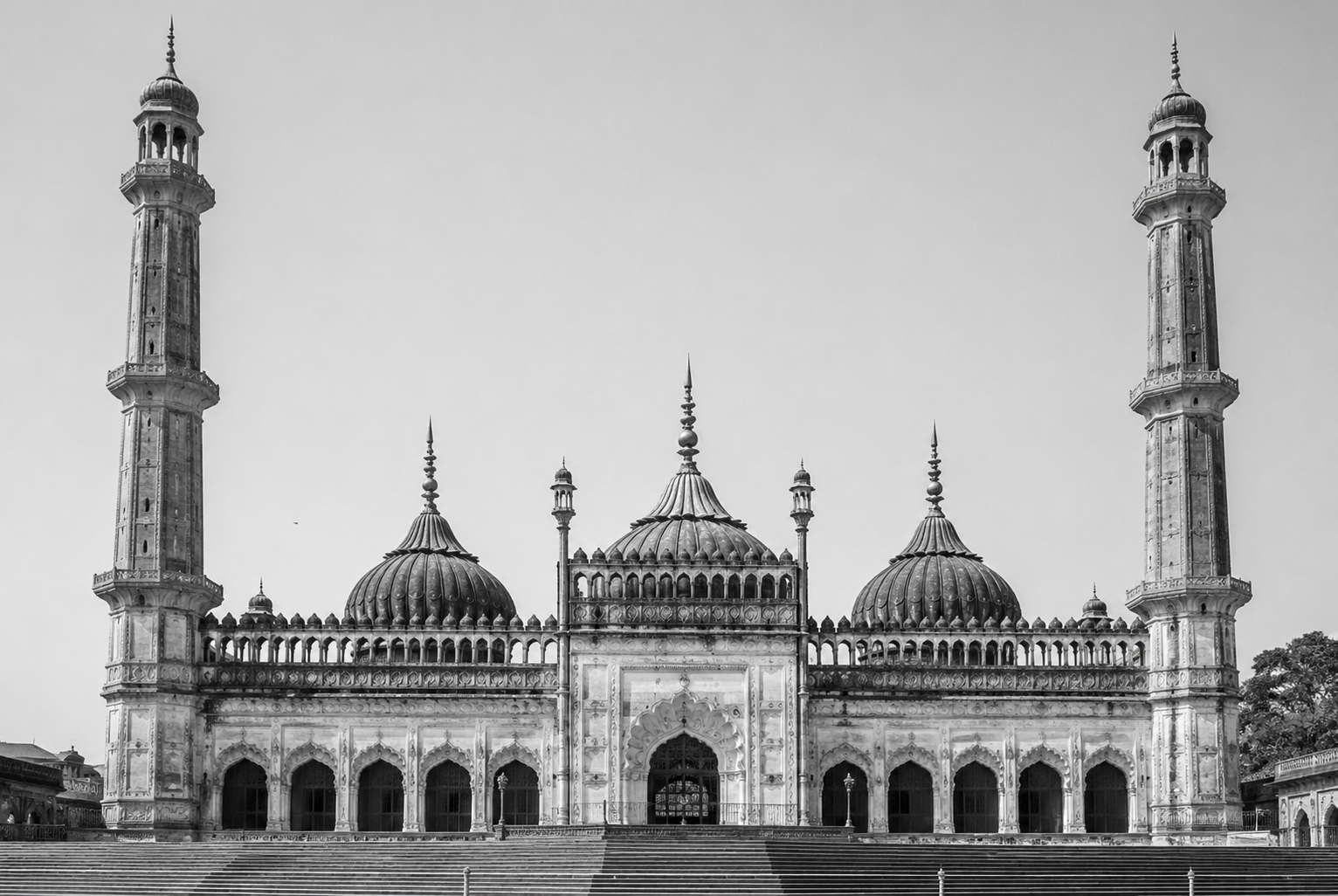
Lucknow, the cultural heart of Awadh, has long been celebrated for its refined traditions, craftsmanship, and artistic excellence. However, many of the vanishing art forms that once defined the city’s identity are gradually fading from public memory. From the intricate embroidery of Chikankari and Zardozi to the fragrant craft of Ittar Sazi and the vibrant tradition of Kankauwa Bazi, these artistic practices represent centuries of heritage that now face the challenge of survival in a rapidly changing world.
For centuries, these traditional arts flourished under the patronage of the Nawabs and found their place in everyday life. From embroidered garments and handcrafted fragrances to intricate metalwork and calligraphy, these crafts were not merely occupations; they were symbols of a refined culture.
Today, many of these traditions are slowly disappearing. As modernization, industrial production, and changing lifestyles take center stage, several of the lost art forms of Awadh and Lucknow face the risk of fading into history.
Let us revisit these remarkable traditions that once gave Lucknow its artistic soul.
Why the Vanishing Art Forms of Awadh and Lucknow Matter
A city’s heritage is not preserved only through monuments. It survives through the skills, stories, and traditions passed down across generations.
The lost art forms of Awadh and Lucknow represent centuries of craftsmanship, innovation, and cultural expression. Each art form carries within it a piece of the region’s history and identity.
As fewer artisans continue these practices and younger generations move towards different professions, many of these traditions struggle to survive.
Zardozi: The Royal Embroidery of Nawabi Awadh
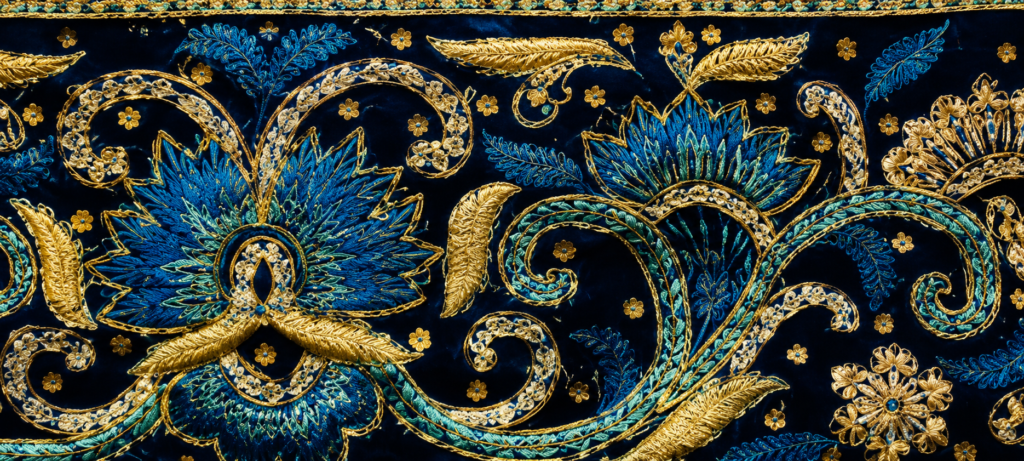
Among the most celebrated crafts of Lucknow is Zardozi, an embroidery tradition once associated with royalty and nobility.
Using gold and silver threads, artisans created elaborate floral motifs and intricate patterns on garments, furnishings, and ceremonial textiles. Every piece demanded immense patience and attention to detail.
While Zardozi remains visible in luxury fashion today, authentic handcrafted work has become increasingly rare. Machine-made alternatives have reduced both the demand and appreciation for traditional craftsmanship.
As a result, many skilled artisans find it difficult to continue the legacy that once adorned the courts of Awadh.
Chikankari: Preserving the Original Craft
Chikankari remains one of Lucknow’s most recognized art forms. However, the craft has undergone significant transformation over the years.
Traditionally, Chikankari featured more than thirty distinct stitches, each contributing a unique texture and visual character. Today, only a limited number of these stitches are commonly used.Commercial demand has encouraged faster production methods, often at the expense of the intricate techniques that once defined the craft.
The challenge now is not merely preserving Chikankari but preserving its original artistic depth. You can know more about chikankari stitches at https://www.instagram.com/p/DZhv3fizhBE/ https://www.instagram.com/p/DZcfxKQzGrg/
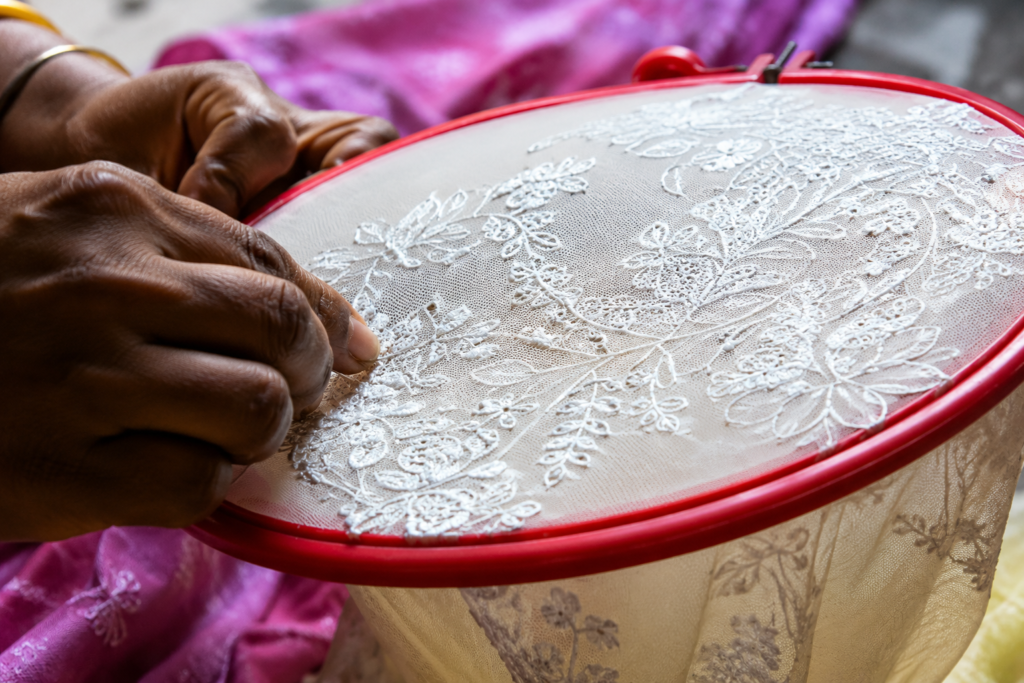
Mukaish Work: The Sparkle of Nawabi Elegance
Often paired with Chikankari, Mukaish work was once a hallmark of Nawabi fashion.
This delicate technique involves embedding fine metallic threads into fabric to create shimmering patterns. Under candlelight or sunlight, these embellishments produced a subtle sparkle that enhanced the elegance of traditional attire.
Despite its beauty, Mukaish work requires extraordinary precision and is highly time-consuming. Consequently, fewer artisans practice it today, making authentic handcrafted pieces increasingly difficult to find.
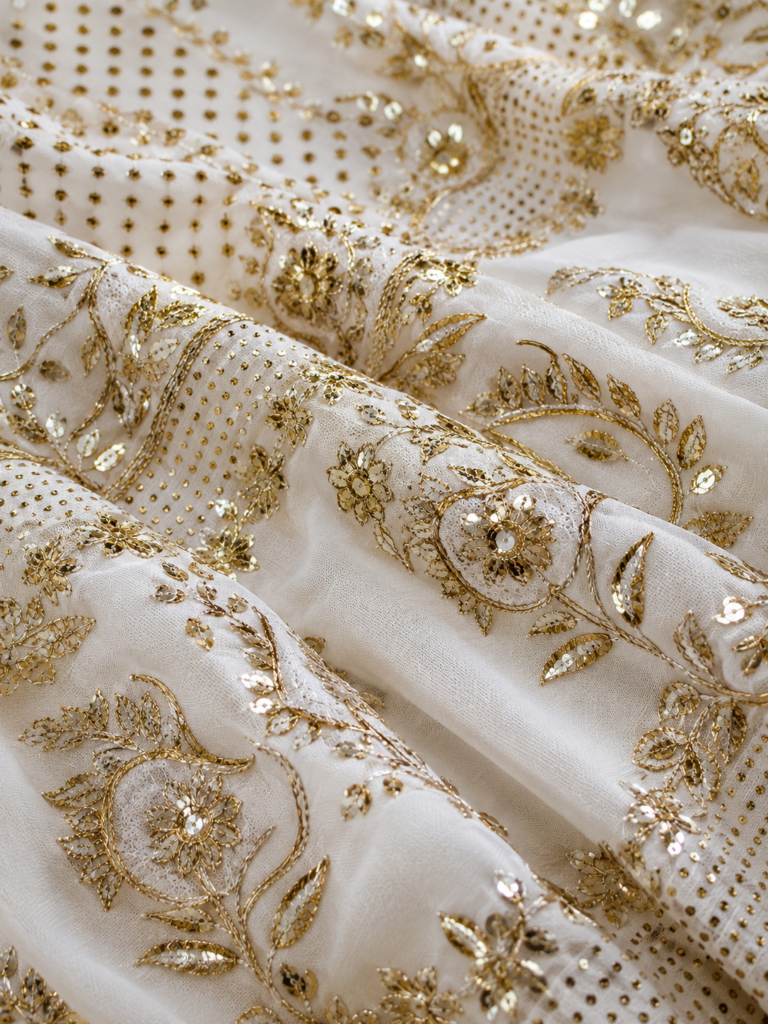
Tukri Work: A Forgotten Decorative Craft
Tukri work was another decorative art that flourished in the cultural landscape of Awadh.
Known for its intricate detailing and ornamental patterns, this craft was often used to embellish textiles and ceremonial items. Though once admired for its craftsmanship, it has gradually disappeared from mainstream awareness.
Today, only a handful of artisans and historians continue to document and preserve its legacy.
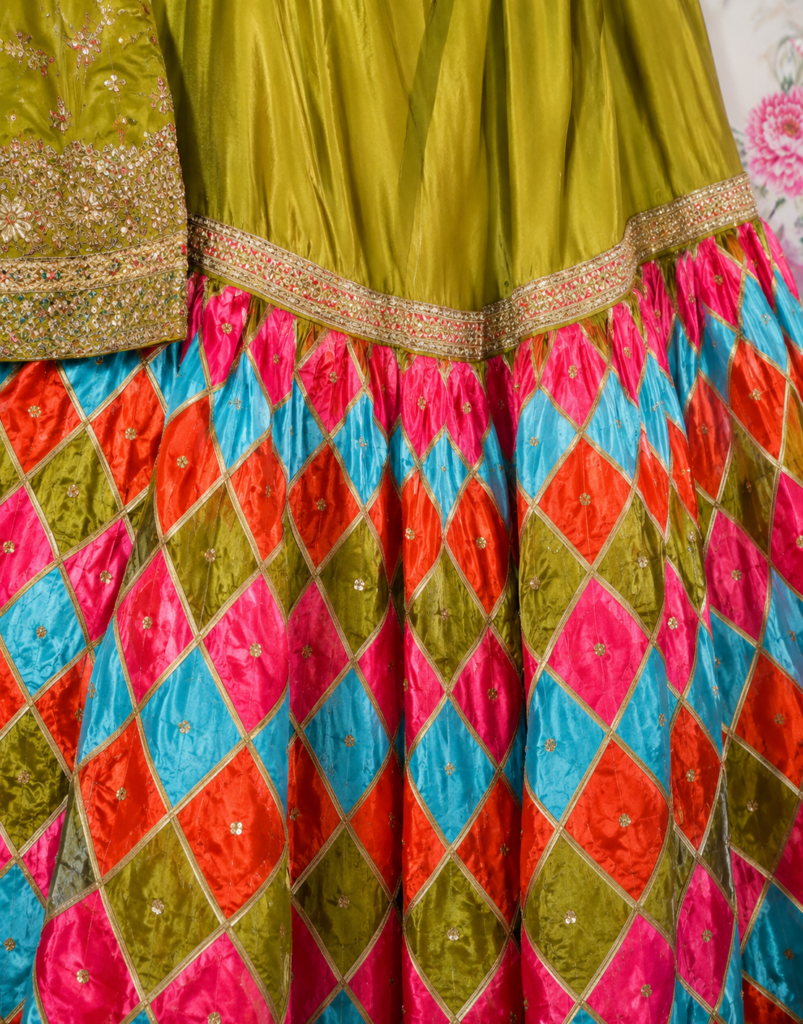
Zarbuland Work: The Art of Embellished Grandeur
Among the lesser-known crafts of Lucknow is Zarbuland work, a highly decorative form of embroidery and embellishment traditionally associated with ceremonial garments and royal aesthetics.
Characterized by rich metallic detailing and elaborate patterns, Zarbuland work reflected the grandeur of the Nawabi era. However, the complexity of the craft and the decline in patronage have pushed it to the margins of contemporary fashion.
Reviving awareness about such forgotten techniques is essential to preserving Lucknow’s artistic heritage.
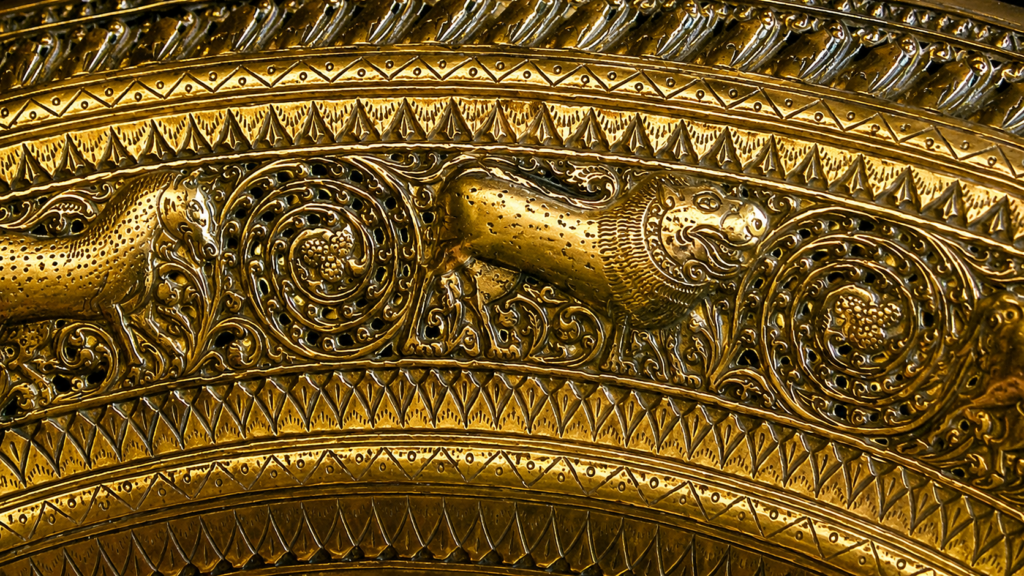
Ittar Sazi: The Fragrance Legacy of Awadh
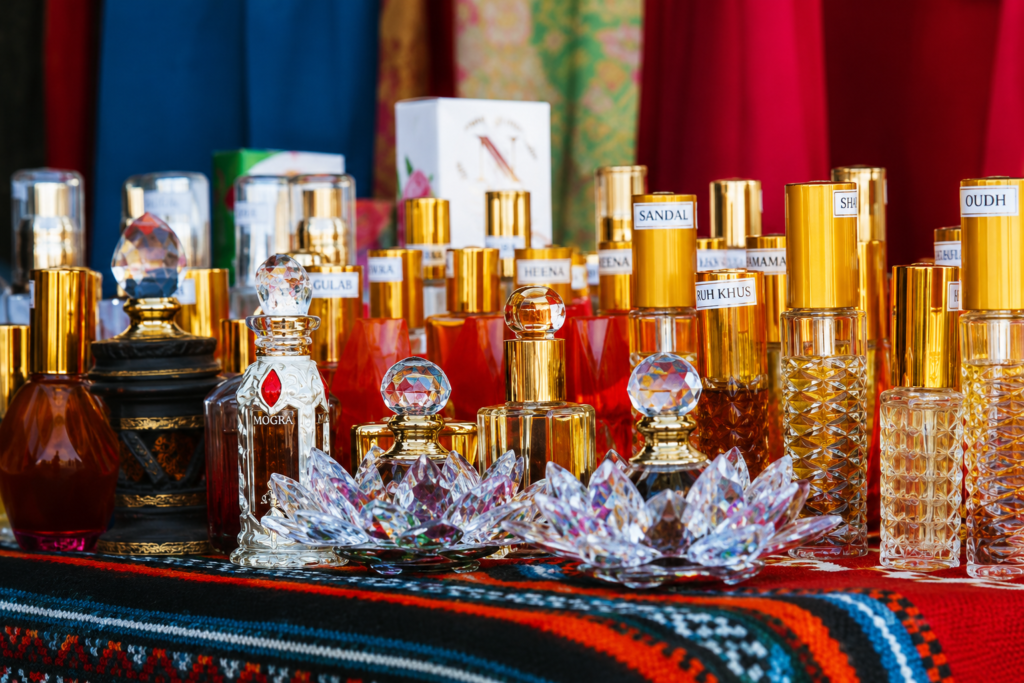
Long before branded perfumes filled store shelves, the fragrance culture of Awadh revolved around Ittar Sazi, the art of crafting natural perfumes.
Using flowers, herbs, spices, roots, and traditional distillation techniques, perfumers created fragrances that captured the essence of nature.
From rose and jasmine to the famous mitti attar that evokes the scent of rain-soaked earth, these handcrafted perfumes represented a unique blend of science and artistry.
While the tradition survives in limited pockets, mass-produced fragrances have significantly overshadowed this centuries-old craft
.
Vark Making: The Invisible Art Behind Festive Delicacies
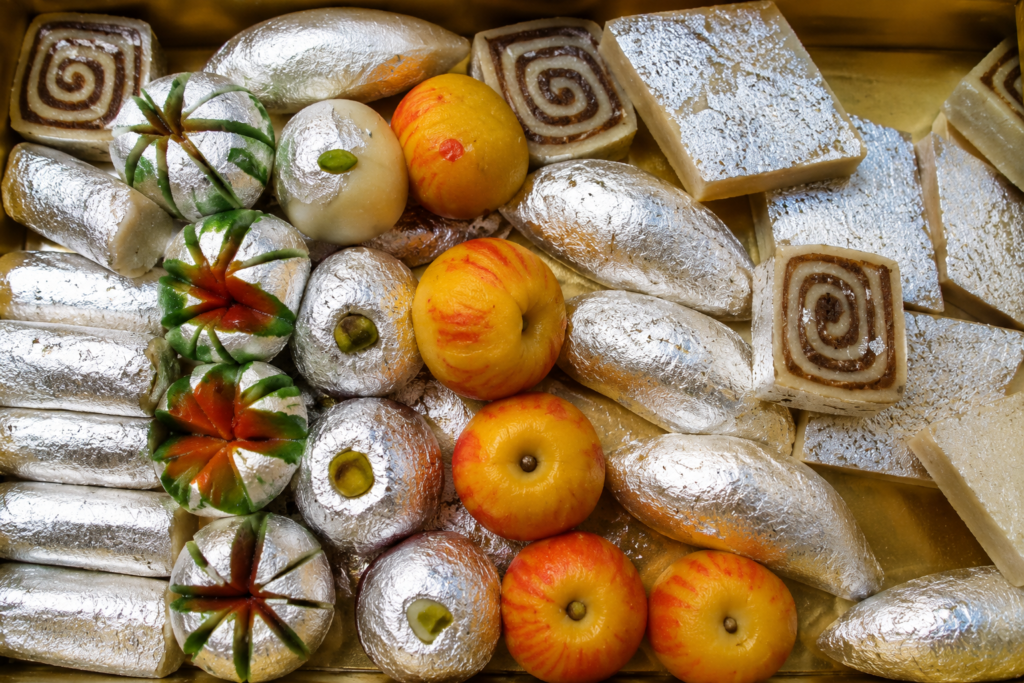
The shimmering silver layer seen on sweets and paan is known as Vark.
Traditionally, artisans manually hammered silver into ultra-thin sheets using techniques perfected over generations. This meticulous process required patience, skill, and precision.
Although Vark remains widely used, mechanized production has largely replaced traditional methods. As a result, the number of craftsmen practicing authentic Vark making continues to decline.
Kankauwa Bazi and the Disappearing Kite-Flying Tradition
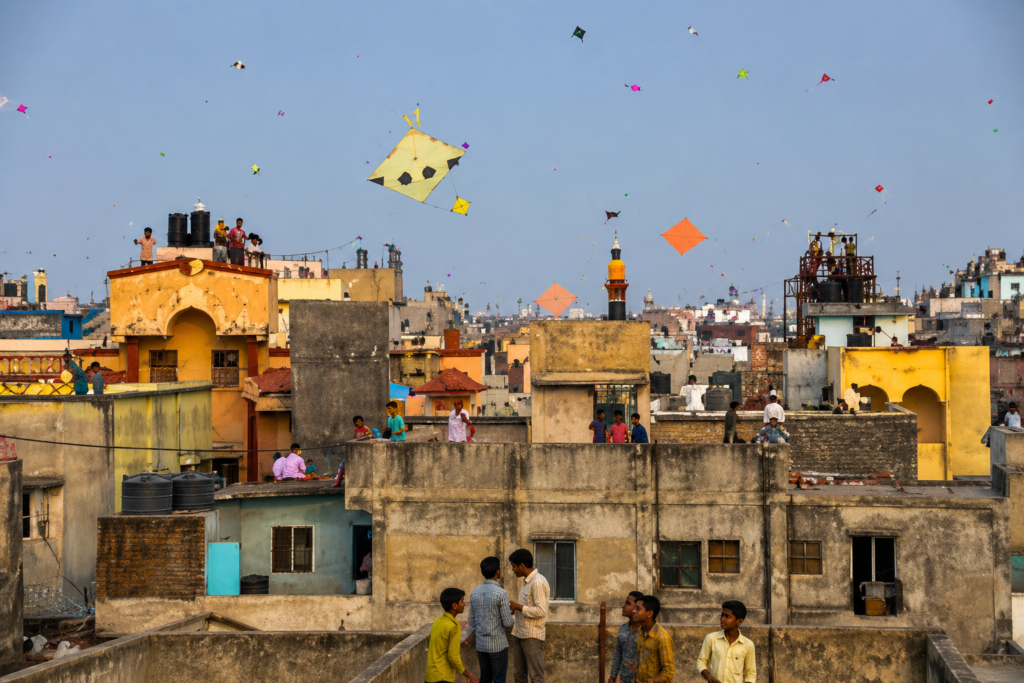
Few traditions captured the spirit of Lucknow quite like Kankauwa Bazi.
More than a pastime, kite flying was a cultural event that brought communities together. Skilled artisans crafted kites from bamboo and paper, while enthusiasts spent hours perfecting their flying techniques.
The skies of Lucknow once came alive with colorful kites during festivals and friendly competitions.
Today, changing lifestyles and urban development have reduced the popularity of this cherished tradition, threatening both the craft of kite making and the culture surrounding it.
Lakhnawi Naqqashi: Carving Stories Into Surfaces
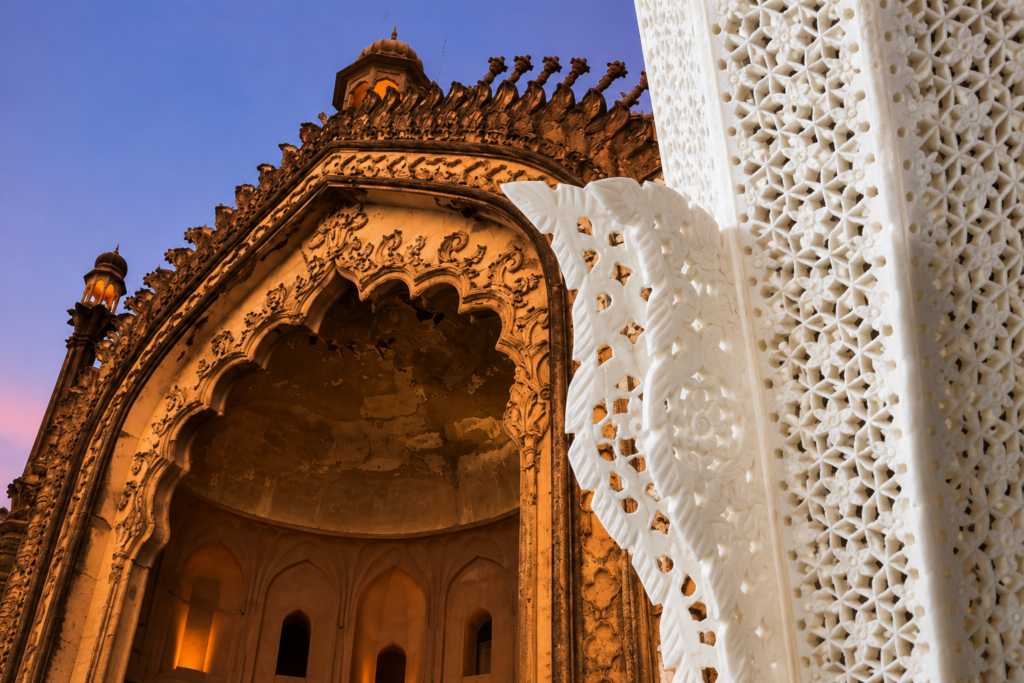
Naqqashi, or decorative engraving and ornamentation, was once widely practiced in Awadh.
Artisans adorned wood, metal, walls, furniture, and architectural elements with intricate motifs inspired by nature and Mughal aesthetics.
Many examples of this craftsmanship can still be found in old havelis and heritage structures. However, the number of artisans specializing in traditional Lakhnawi Naqqashi has steadily declined over the years.
Urdu Calligraphy Among the Vanishing Art Forms of Awadh
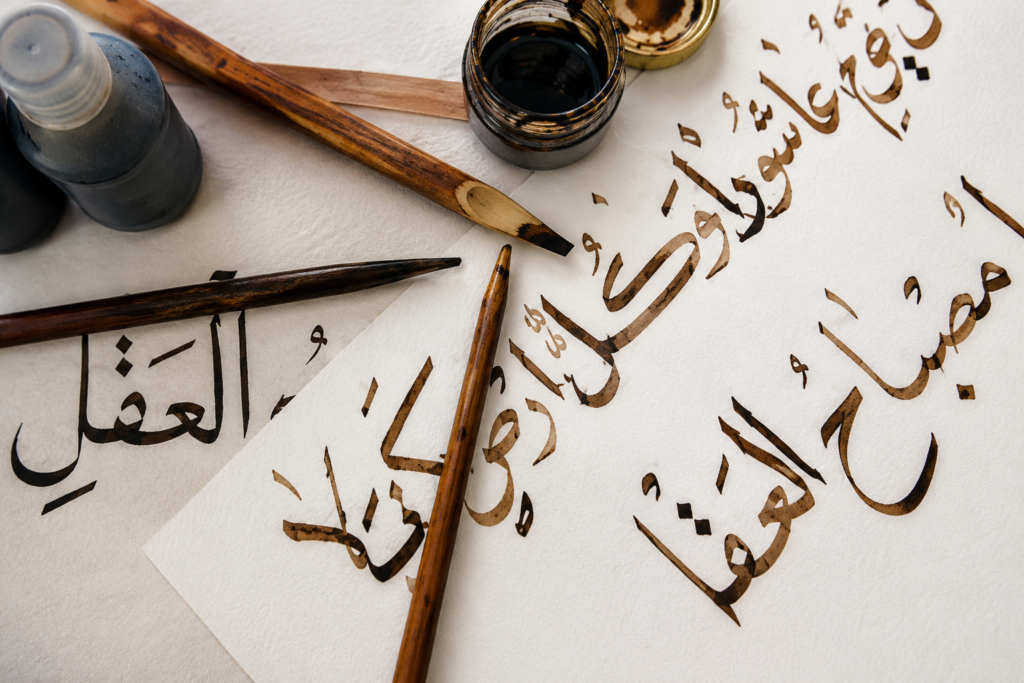
Before digital typography became commonplace, Kitabat, the art of Urdu calligraphy, held a place of immense respect in Lucknow’s literary and cultural circles.
Calligraphers painstakingly wrote manuscripts, books, invitations, poetry collections, and religious texts using elegant scripts. Their work combined linguistic mastery with artistic expression.
Lucknow’s rich Urdu heritage made it a significant center for calligraphy. However, computers and digital printing have dramatically reduced the demand for handwritten work.
Today, only a limited number of artists continue to preserve this beautiful tradition.
Traditional Music: The Sound of Awadh’s Soul
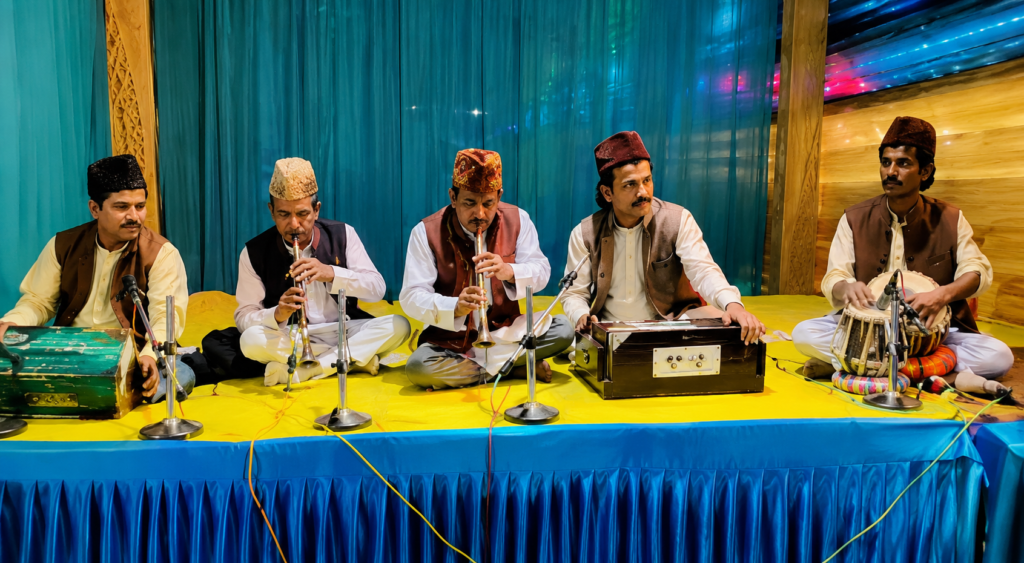
The cultural richness of Awadh extended beyond visual arts into the realm of music.
Thumri, Dadra, Ghazal, and classical vocal traditions flourished in Lucknow’s courts and mehfils. These forms emphasized emotion, expression, poetry, and refinement.
Musicians devoted years to mastering their craft, creating performances that were as intellectually enriching as they were entertaining.
While these traditions continue through dedicated artists, they often struggle for visibility in a world dominated by commercial entertainment.
Preserving the Vanishing Art Forms of Lucknow for Future Generations
The future of these traditions depends on collective effort. Cultural organizations, educational institutions, artisans, historians, and citizens all have a role to play.
Supporting handcrafted products, attending cultural performances, documenting traditional techniques, and sharing these stories can help keep these art forms alive.
The lost art forms of Awadh and Lucknow are not relics of a forgotten era. They are living reminders of a culture that valued craftsmanship, beauty, and artistic excellence.
As Lucknow continues to modernize, preserving these traditions becomes more than an act of remembrance. It becomes a responsibility.
Because a city is remembered not only through its monuments, but through the art, culture, and craftsmanship that give it a soul.