






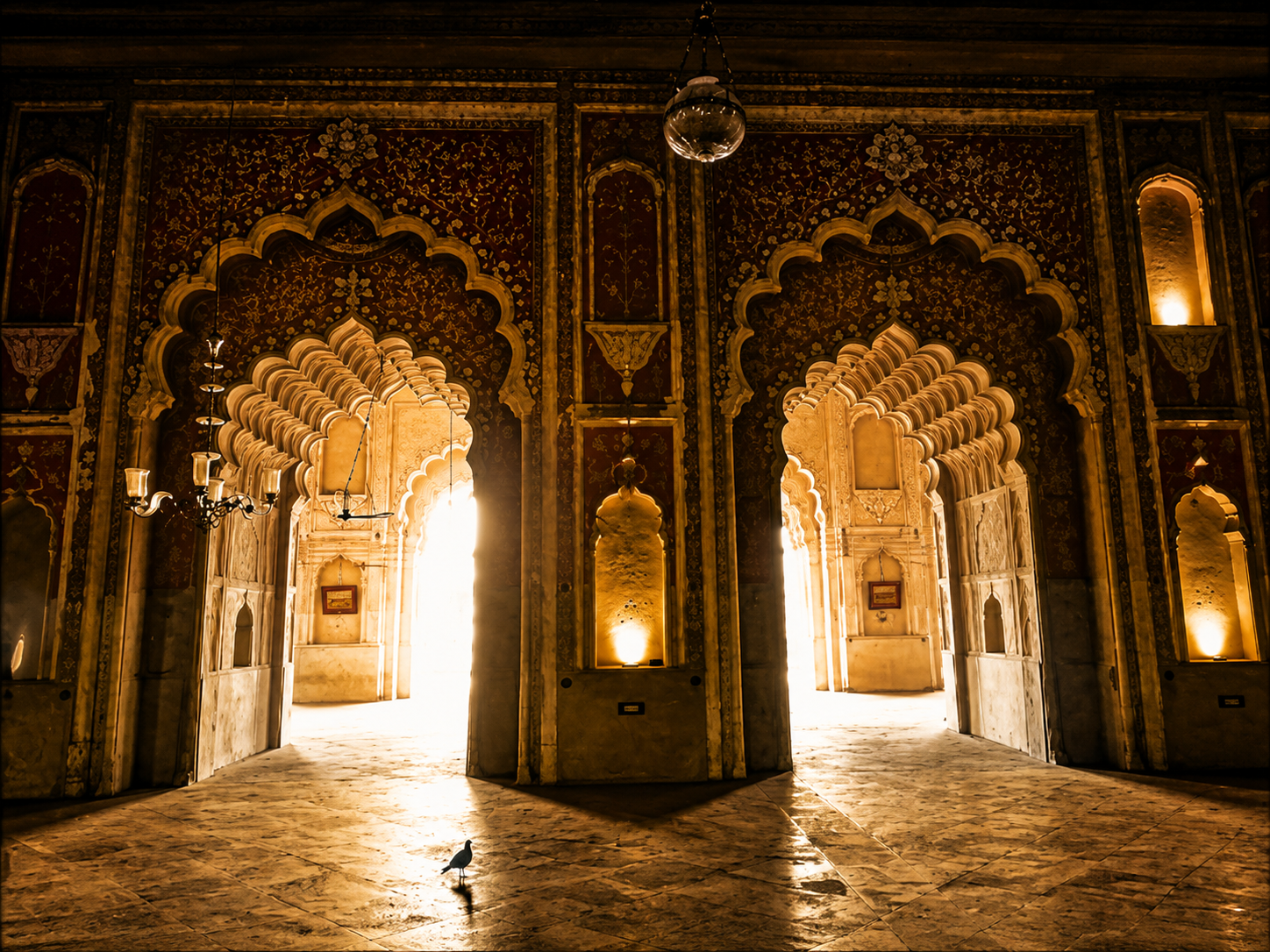
Forgotten Havelis of Lucknow are among the most fascinating yet overlooked treasures of the City of Nawabs. While Lucknow is celebrated for its chikankari, cuisine, and architectural landmarks, many historic havelis and kothis that once housed royals, noble families, and influential personalities now stand hidden in plain sight. These forgotten structures tell stories of grandeur, political intrigue, artistic excellence, and cultural evolution. Exploring the Forgotten Havelis of Lucknow offers a unique glimpse into the city’s rich Nawabi past and highlights the urgent need to preserve these remarkable pieces of heritage for future generations.
Chhatar Manzil: The Palace Beneath the Umbrella
Standing on the banks of the Gomti River, Chhatar Manzil remains one of Lucknow’s most recognizable yet underappreciated heritage structures. Construction began during the reign of Nawab Ghazi-ud-Din Haider and was completed by his successors. Its name comes from the distinctive umbrella-shaped dome, known as a “chhatra,” crowning the structure.
The palace served as a royal residence for the Nawabs of Awadh and became a symbol of Lucknow’s unique blend of Indo-European architecture. Underground chambers, grand halls, river-facing terraces, and elaborate interiors reflected the sophistication of Nawabi design.
During the Revolt of 1857, Chhatar Manzil became a significant strategic location. In later years, it housed the Central Drug Research Institute, altering much of its original character. Restoration efforts are now underway, with plans to revive its cultural significance and preserve its legacy.
Even today, Chhatar Manzil remains a symbol of Lucknow’s architectural identity and Nawabi grandeur.
Ongoing restoration and conservation efforts continue to bring attention to the monument’s significance, with detailed documentation available through Uttar Pradesh Tourism
Dilkusha Kothi: The Palace of Heart’s Delight
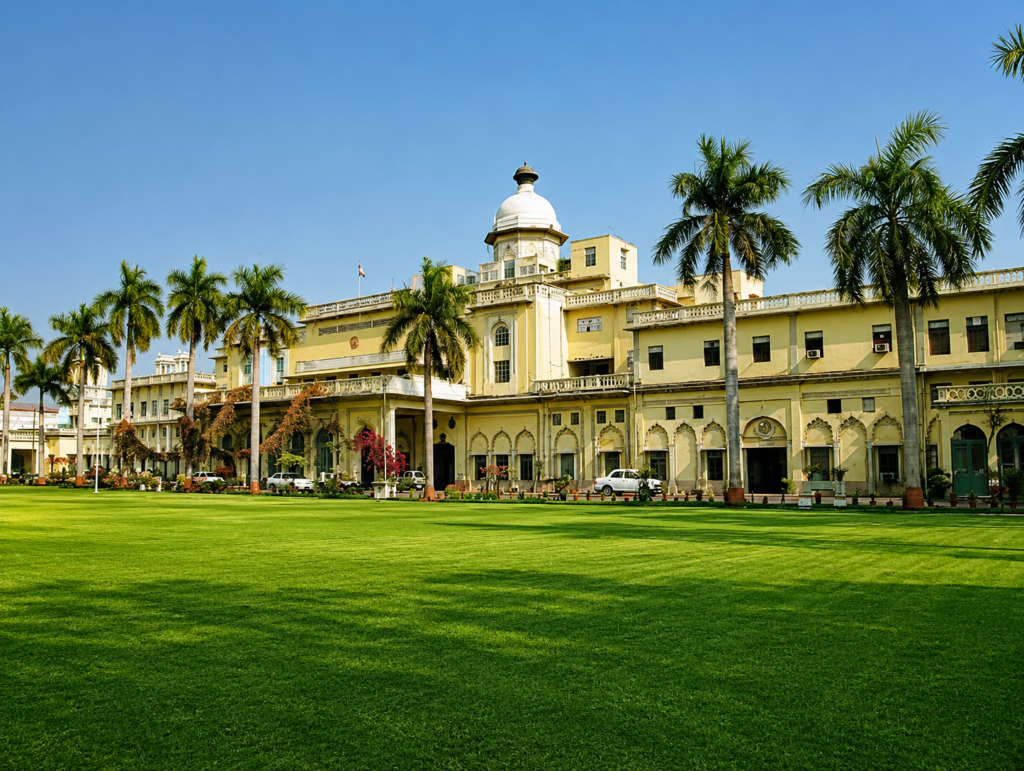
Built around 1800 under the patronage of Nawab Saadat Ali Khan, Dilkusha Kothi was originally conceived as a hunting lodge and summer retreat. Unlike traditional Indian palaces, it was designed in an English Baroque style, reflecting the growing influence of European architecture in Awadh.
The name “Dilkusha” translates to “Heart’s Delight,” a fitting description for a retreat surrounded by gardens and open landscapes. The Nawabs used it as a place for leisure, hunting expeditions, and royal recreation.
The building suffered severe damage during the Siege of Lucknow in 1857. Over time, much of the structure collapsed, leaving only portions of its walls and towers standing. Today, the ruins stand amid peaceful gardens, attracting history enthusiasts and heritage walkers.
Though reduced to ruins, Dilkusha Kothi remains one of the finest reminders of Lucknow’s cosmopolitan architectural heritage.
Kaiserbagh Palace Complex: The Lost City Within a City
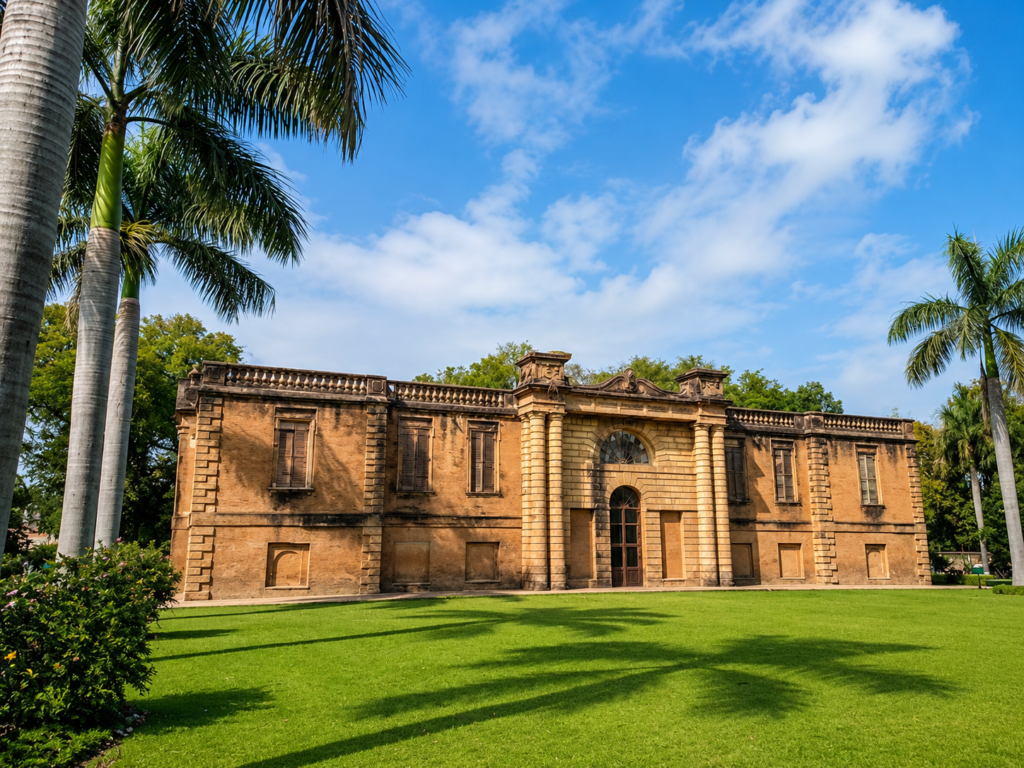
When Nawab Wajid Ali Shah commissioned the Kaiserbagh Palace Complex in the mid-19th century, he envisioned more than a palace. He wanted to create a cultural paradise that reflected the artistic soul of Awadh.
The complex featured magnificent courtyards, gardens, gateways, residential quarters, performance spaces, and royal apartments. It became the center of music, dance, literature, and courtly life during the final years of Nawabi rule.
However, after the Revolt of 1857, large portions of Kaiserbagh were damaged, altered, or demolished during British occupation. Many structures disappeared entirely, while others were repurposed for administrative use. Local heritage enthusiasts often describe the destruction of Kaiserbagh as one of the greatest cultural losses in Lucknow’s history.
Today, fragments of the once-grand complex survive, but imagining its original scale requires stepping back into historical records and old photographs.
Farhat Baksh Kothi: The Residence that Witnessed an Era
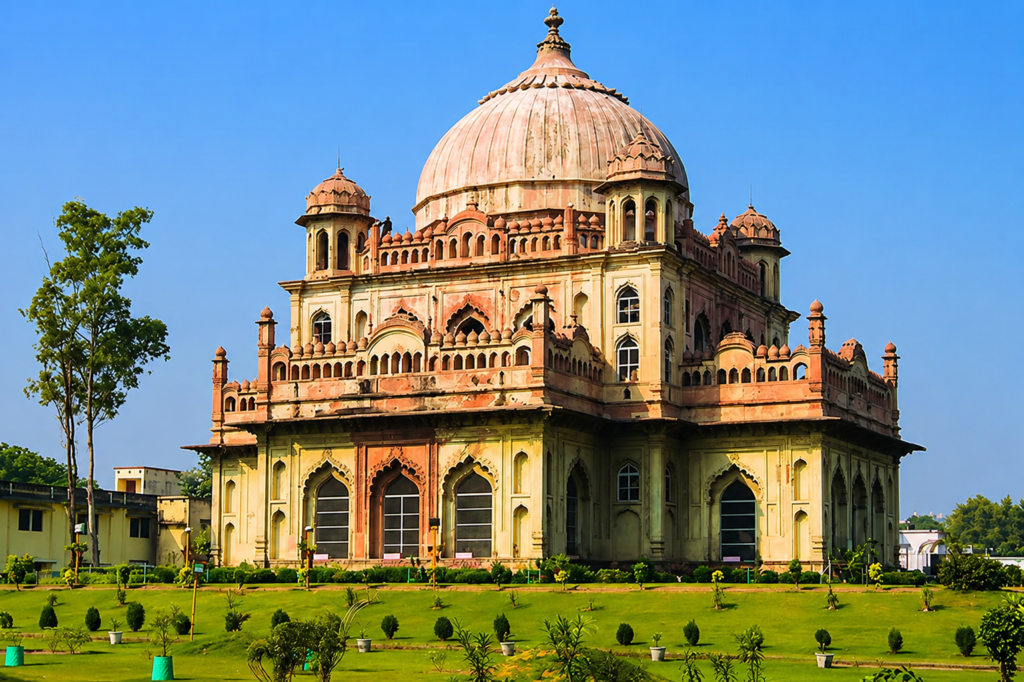
Farhat Baksh Kothi, meaning “Bestower of Happiness,” was among the earliest European-style residences in Lucknow. Built in 1781 by the French adventurer General Claude Martin, it later became associated with the Nawabs of Awadh.
The building served as a royal residence and administrative center. Its architecture showcased a rare combination of French neoclassical influences and Awadhi aesthetics. Over time, successive rulers expanded and modified the structure.
Recent restoration work and excavations have revealed previously hidden sections of the building, including underground levels and architectural details that had remained buried for centuries.
Farhat Baksh Kothi represents a fascinating chapter in Lucknow’s interaction with European art, architecture, and diplomacy.
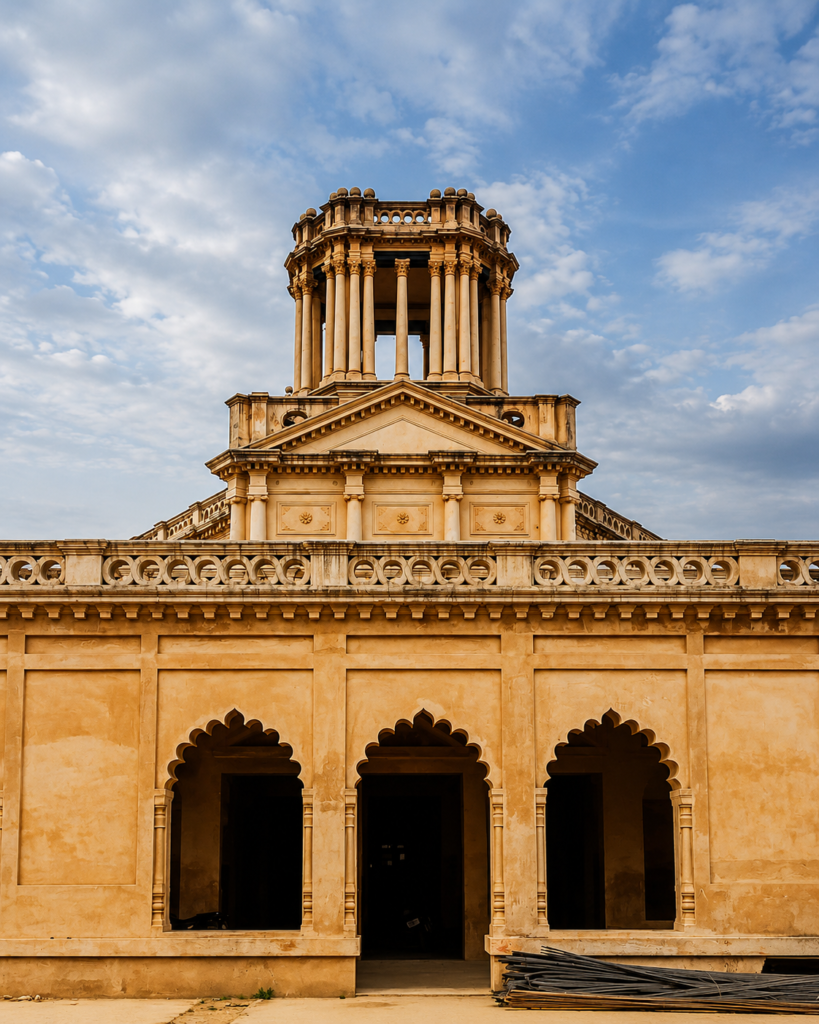
Safed Baradari: A Symbol of Royal Ceremonies and Cultural Legacy
Built in the mid-19th century by Nawab Wajid Ali Shah, Safed Baradari is one of Lucknow’s most elegant heritage structures. The name literally means “White Pavilion,” derived from its striking white architecture and twelve-door design. Unlike many royal residences, Safed Baradari was primarily built for royal ceremonies, gatherings, and cultural events.
The structure became an important venue for coronation ceremonies and court functions during the final years of Awadh’s independent rule. Its spacious halls reflected the Nawab’s love for art, music, and literature.
Today, Safed Baradari serves as a venue for cultural programs and public events. Though it has undergone restoration, conservationists emphasize the need for continuous preservation. As one of the most recognizable landmarks of Nawabi Lucknow, it remains a vital part of the city’s cultural identity.
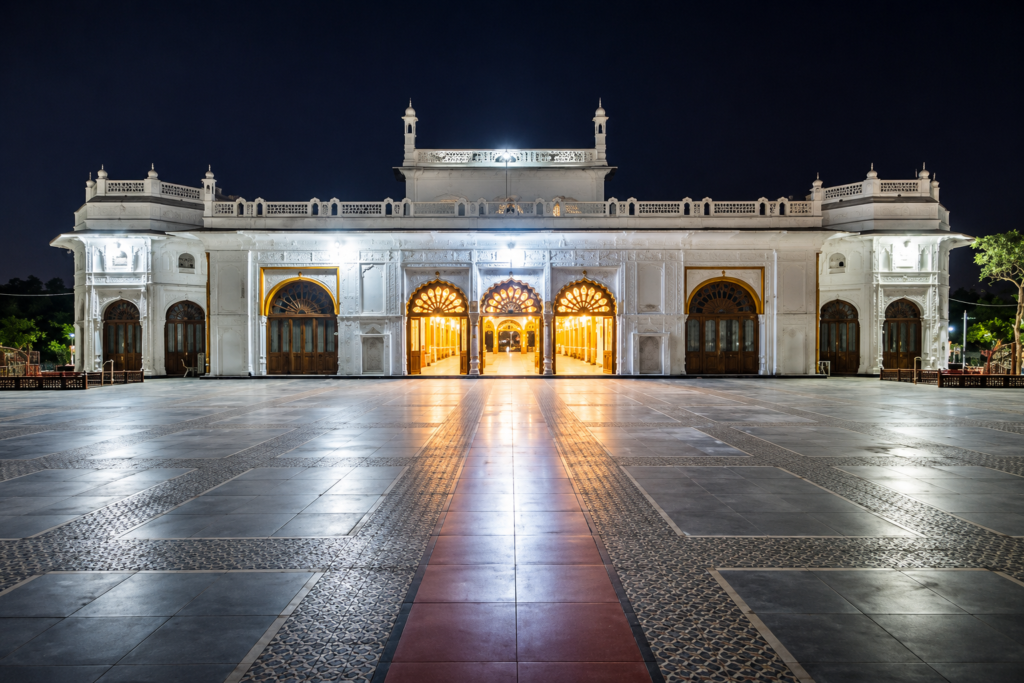
Lal Baradari: A Forgotten Royal Pavilion
Constructed between 1814 and 1820 by Nawab Ghaziuddin Haider and completed during the reign of Nasiruddin Haider, Lal Baradari once hosted royal ceremonies, coronations, and important state events. The structure is notable for being one of the few red sandstone buildings from the Nawabi era.
The pavilion became an important political and ceremonial center during the later years of Awadh. Over time, neglect and structural deterioration weakened the building. Concerns regarding its preservation continue to be raised by historians and heritage advocates.
Despite its condition, Lal Baradari remains a significant landmark in understanding the political history of Lucknow.
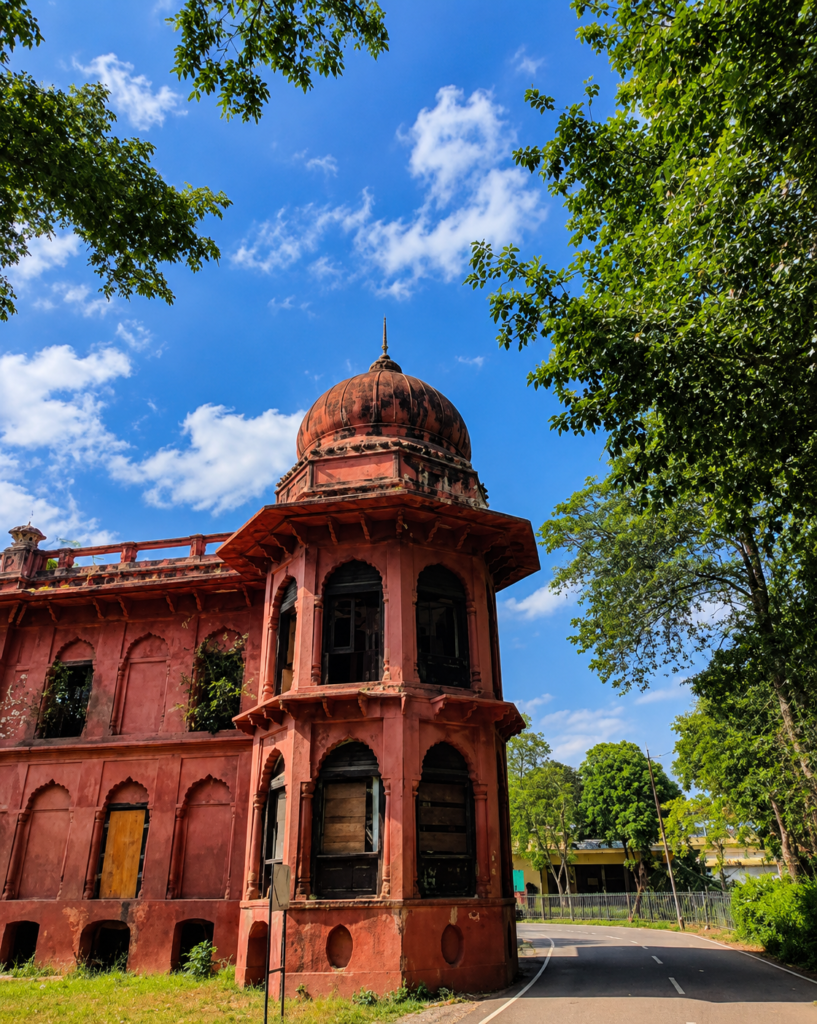
Why the Forgotten Havelis of Lucknow Still Matter Today
These forgotten havelis are not merely old buildings. They are physical records of Lucknow’s evolution from a thriving Nawabi capital to a modern city.
Their significance lies in:
- Preserving the architectural fusion of Indian, Persian, and European influences.
- Documenting the cultural achievements of the Awadh court.
- Bearing witness to the Revolt of 1857 and colonial transformation.
- Inspiring future generations to value heritage and conservation.
- Contributing to heritage tourism and local identity.
Every crumbling wall, abandoned corridor, and weathered archway tells a story that cannot be found in textbooks alone.
The Need for Preservation
As Lucknow expands rapidly, many historic structures face threats from neglect, encroachment, and environmental damage. While restoration projects have begun for some monuments, many lesser-known havelis continue to fade from public memory.
Preserving these heritage sites is not just about saving buildings. It is about safeguarding the stories, traditions, and cultural spirit that earned Lucknow its reputation as the City of Nawabs.
The forgotten havelis of Lucknow may no longer host royal courts or grand celebrations, but they remain guardians of a remarkable past. Their survival ensures that future generations can still walk through history and experience the grandeur that once defined this extraordinary city.
To truly understand Lucknow’s heritage, one must look beyond its monuments and explore the crafts, traditions, and stories that shaped the city. From the forgotten havelis of Lucknow to the city’s lost art forms and celebrated Chikankari heritage, each represents a vital chapter in the cultural history of Awadh.