






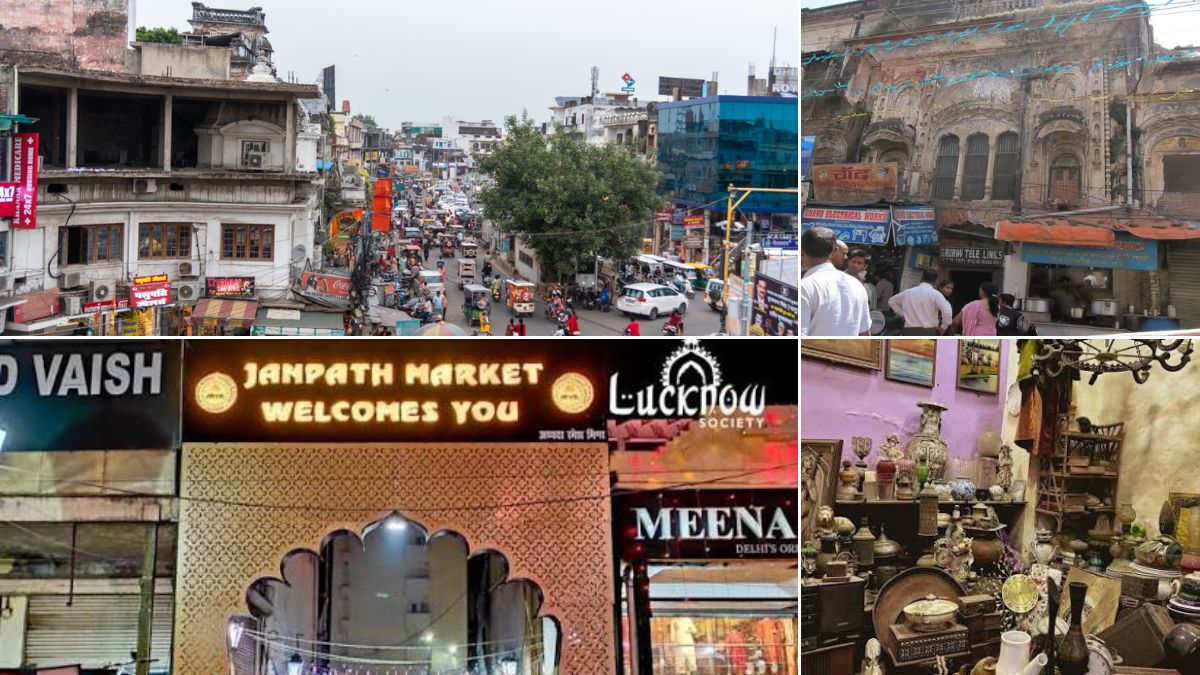
The Lost Markets of Lucknow tell the story of a city that once thrived through vibrant bazaars, specialized trade centers, and bustling commercial streets. During the nineteenth and early twentieth centuries, these markets served as the economic and cultural heartbeat of Lucknow. While some have been completely demolished, others survive only in memory or in fragments of their former glory. From China Bazaar and Marris Market to the original Chowk Bazaar and Yahiyaganj, the Lost Markets of Lucknow reveal a fascinating chapter of the city’s forgotten heritage.
The story of Lucknow’s lost markets is not merely about commerce; it is about changing urban landscapes, shifting social values, colonial interventions, and the gradual erosion of living heritage.
The Kotha Markets: Centres of Culture, Not Just Commerce
Among the most misunderstood marketplaces of old Lucknow were the kotha districts. During the nineteenth century, areas around Chowk and adjacent neighbourhoods housed the famed kothas of tawaifs; highly trained performers of music, dance, poetry, and etiquette. These establishments functioned as cultural marketplaces where art, literature, and patronage intersected.
The kotha economy supported musicians, instrument makers, jewellers, textile merchants, perfumers, and craftsmen. With the decline of nawabi patronage after the Revolt of 1857 and later colonial moral regulations, many kothas gradually disappeared. The social ecosystem surrounding them collapsed, leaving behind little physical evidence of a once-thriving cultural market.
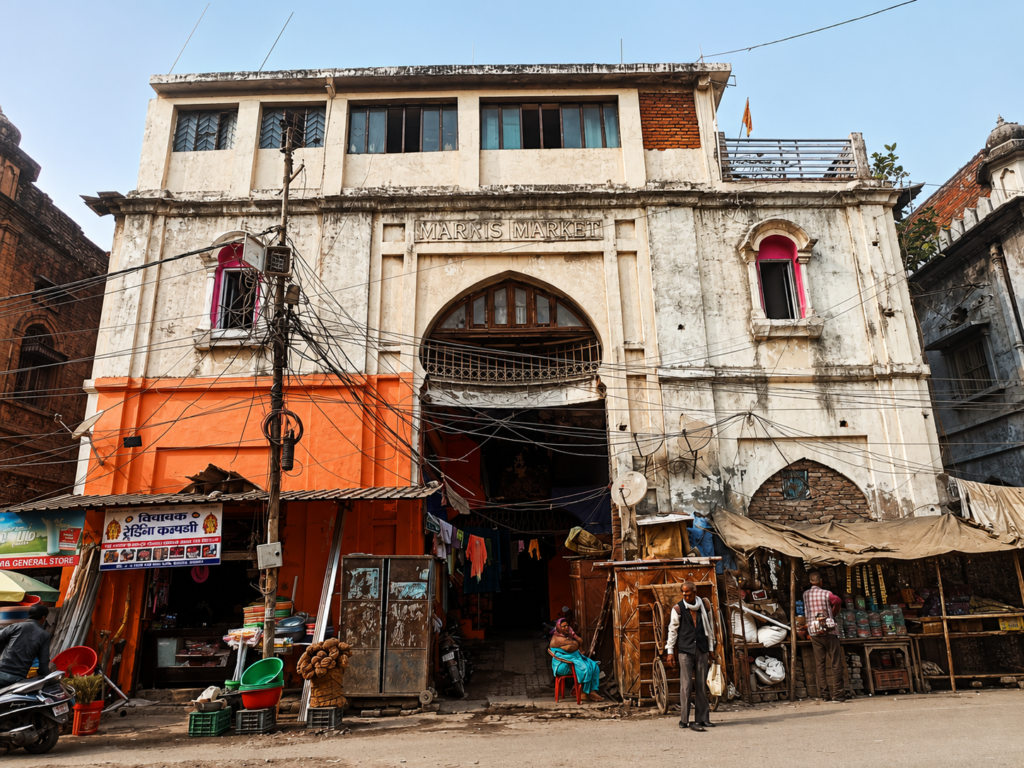
Marris Market: A Forgotten Gem Among the Lost Markets of Lucknow
Marris Market emerged during the colonial period and became one of Lucknow’s notable commercial centres. Named after a British administrator, the market represented the changing urban character of the city during the late nineteenth and early twentieth centuries.
It served as a bridge between traditional bazaars and modern retail culture. Shops dealing in imported goods, textiles, stationery, and household products attracted the city’s growing middle class. Over time, changing commercial patterns, redevelopment projects, and the expansion of newer marketplaces led to its decline. Today, only fragments of its memory survive in local narratives and archival references.
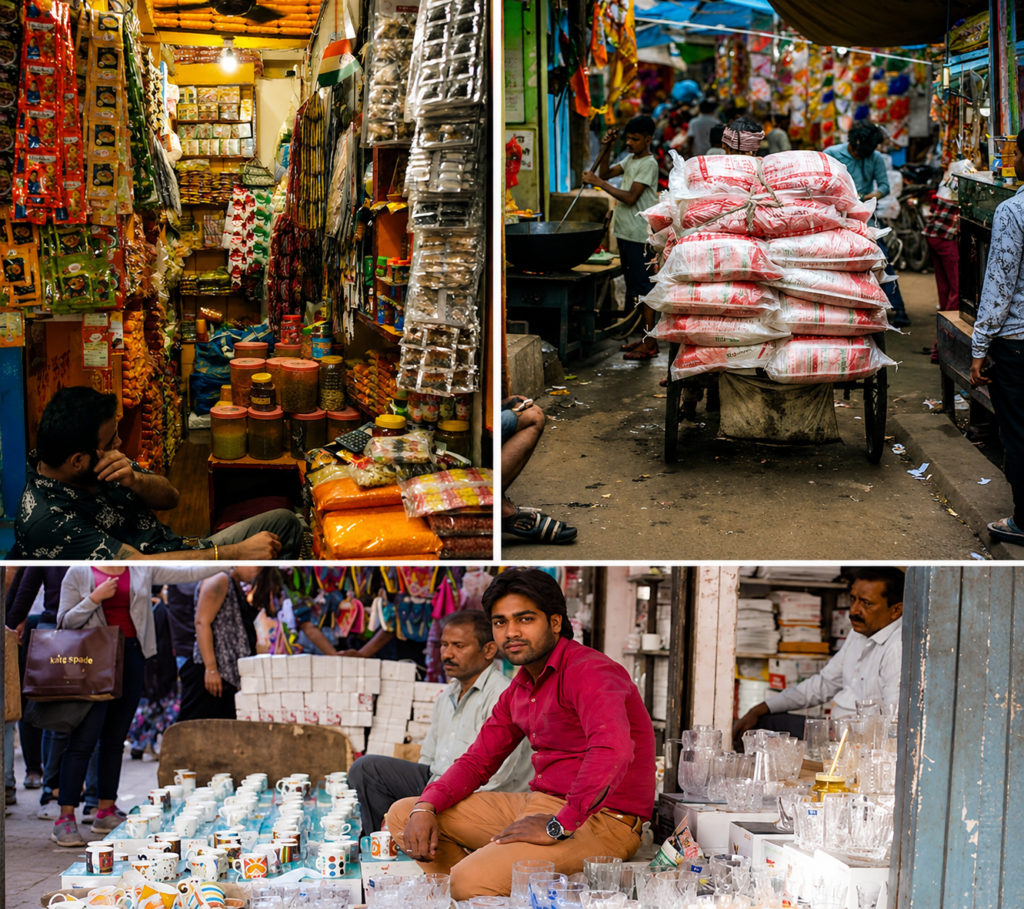
China Bazaar: Lucknow’s Forgotten Cosmopolitan Market
Few people today remember that Lucknow once had a vibrant China Bazaar. Like similar markets in other colonial Indian cities, it was associated with imported goods, porcelain, decorative items, toys, glassware, and specialty products from East and Southeast Asia.
The bazaar reflected Lucknow’s participation in wider trade networks that connected the city with Calcutta, Bombay, and international ports. As modern shopping districts emerged and trade routes changed, China Bazaar gradually lost its significance. Its disappearance represents the fading cosmopolitan character of old commercial Lucknow.
Yahiyaganj: A Survivor on the Edge
Unlike some vanished markets, Yahiyaganj still exists, though greatly transformed. Historically one of North India’s largest wholesale trading centres, it served grain merchants, spice traders, oil dealers, and transport networks linking Lucknow to surrounding regions.
During the late nineteenth and early twentieth centuries, Yahiyaganj was a bustling hub where commerce operated from dawn until late evening. While it remains active today, modern logistics, changing business practices, traffic congestion, and urban pressures have altered its traditional character. Many historic structures and trading practices have disappeared, making Yahiyaganj a surviving market that stands precariously between continuity and loss.
Moonfali Market: The Vanishing Seasonal Bazaar
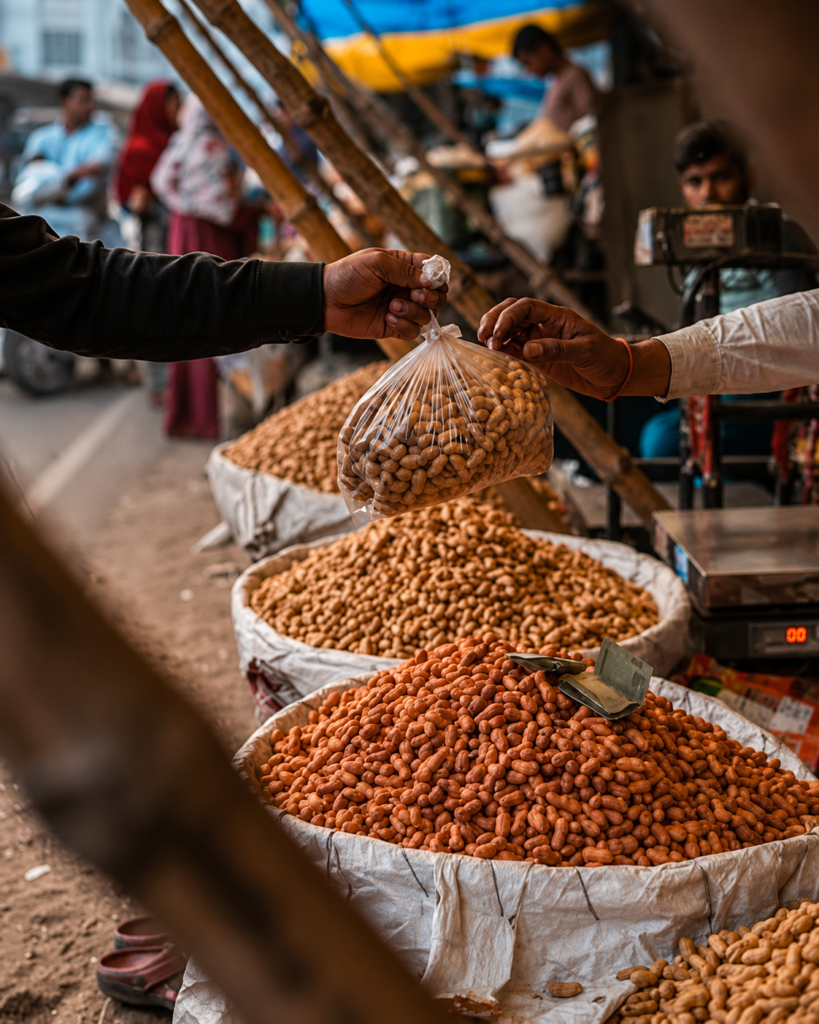
The famous Moonfali (Peanut) Market was once a distinctive feature of Lucknow’s commercial life. Particularly active during winter months, it drew traders, labourers, transporters, and consumers from across the city.
The market was more than a trading point; it was a seasonal social institution. Generations of residents associated it with winter evenings, local snacks, and neighbourhood commerce. Urban redevelopment and the reorganization of wholesale trade have significantly reduced its traditional presence, leaving only memories among older residents.
Janpath Market: The Casualty of Modern Retail Expansion
Janpath Market represented a different phase in Lucknow’s commercial evolution. Popular during the twentieth century, it became known for affordable shopping, garments, accessories, and everyday consumer goods.
However, the rise of shopping malls, branded retail outlets, and changing consumer preferences gradually diminished its importance. While parts of the market survive, its cultural and economic significance has faded considerably. The decline of Janpath Market illustrates how modern retail systems have displaced many traditional urban marketplaces.
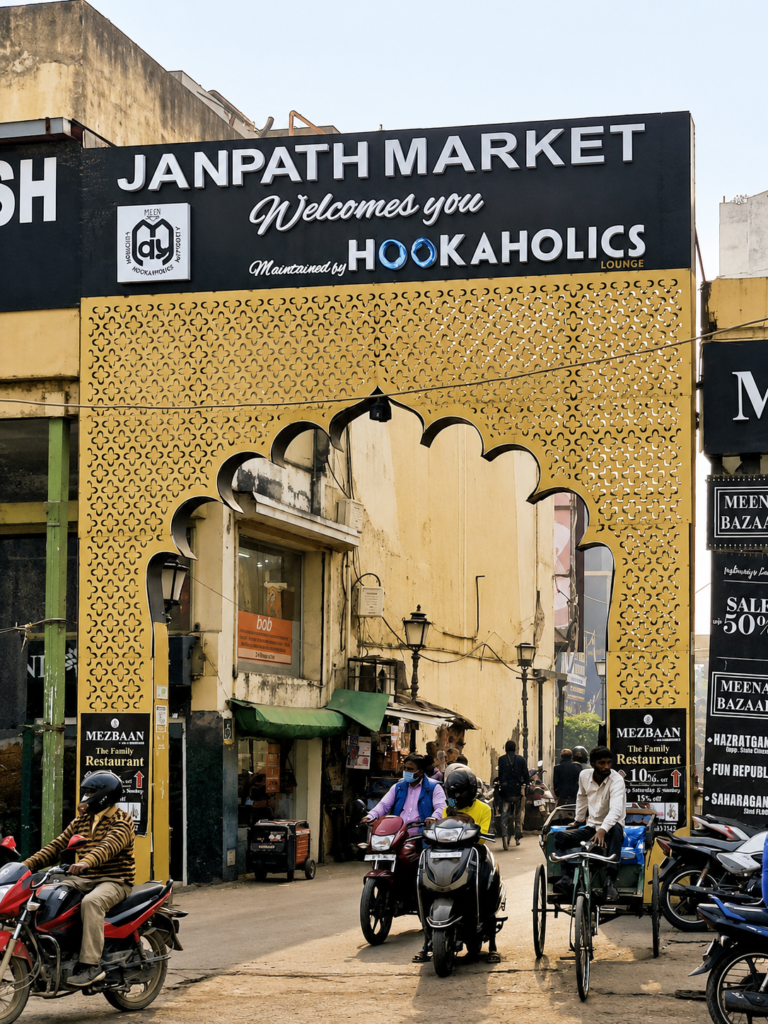
Khas Bazaar: The Market of Privilege
The very name “Khas Bazaar” suggests exclusivity. Historically associated with elite consumption and specialized goods, the market catered to aristocratic households and affluent patrons. Fine textiles, jewellery, perfumes, decorative objects, and luxury items once circulated through its lanes.
As the social order that sustained such commerce weakened after the fall of nawabi influence and the emergence of new commercial districts, Khas Bazaar gradually lost its distinct identity. Today, few traces remain of the prestige that once defined it.
Ghasiyari Market: A Forgotten Occupational Bazaar
Old Indian cities often developed markets around specific occupations, and Ghasiyari Market was one such example. Associated with traders dealing in fodder, grass, and related agricultural products, it played a vital role in a city where horses, bullocks, and livestock formed essential components of transportation and commerce.
The mechanization of transport and changing urban economies rendered such markets increasingly obsolete. As horse-drawn mobility disappeared, so too did the economic relevance of Ghasiyari Market, pushing it toward historical obscurity.
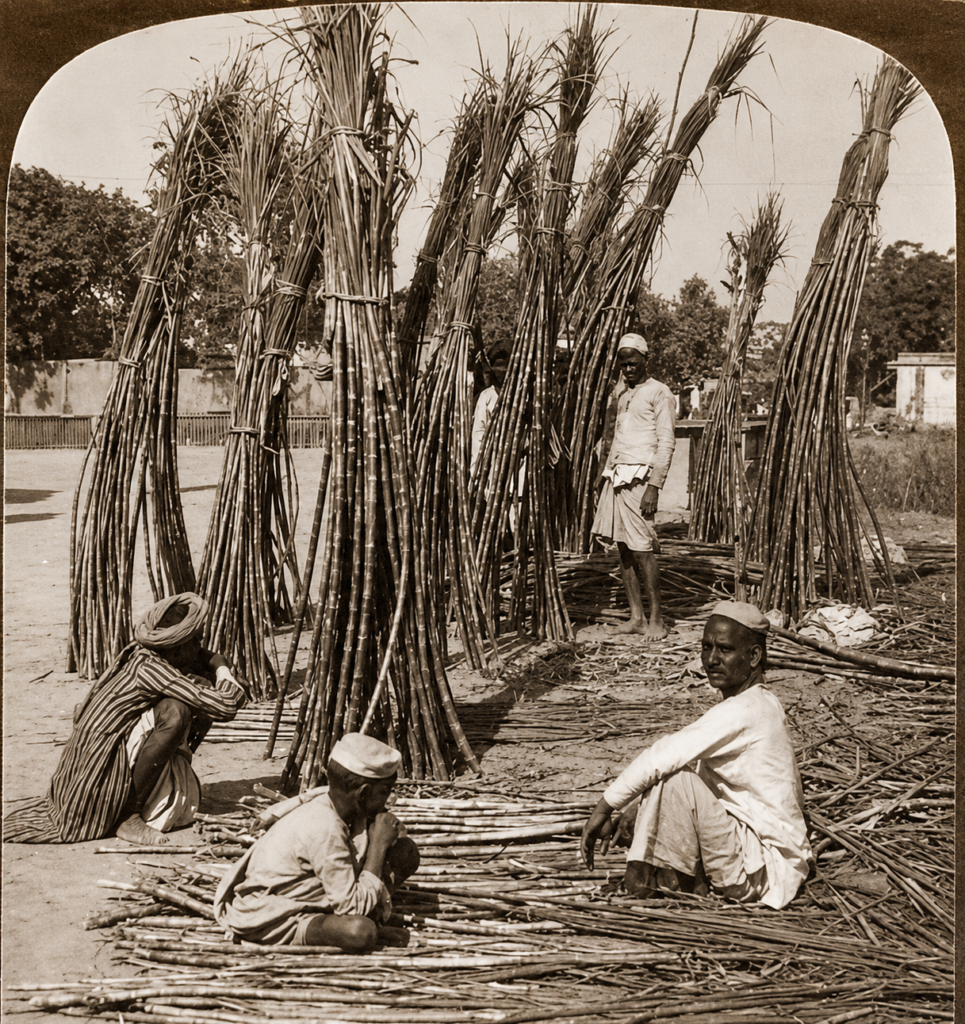
The Original Chowk Bazaar: Heart of the Old City
No discussion of Lucknow’s lost markets can be complete without mentioning the original Chowk Bazaar. Once the beating heart of the city, Chowk was a dense network of specialized lanes dedicated to jewellery, attar, chikankari, metalwork, cuisine, books, and luxury goods.
Although Chowk still survives, much of its historic character has been altered by overcrowding, unplanned construction, traffic pressure, and changing commercial practices. The original urban fabric that made Chowk one of the most celebrated bazaars of North India has been steadily eroded. What remains is a living market struggling to preserve fragments of its extraordinary past.
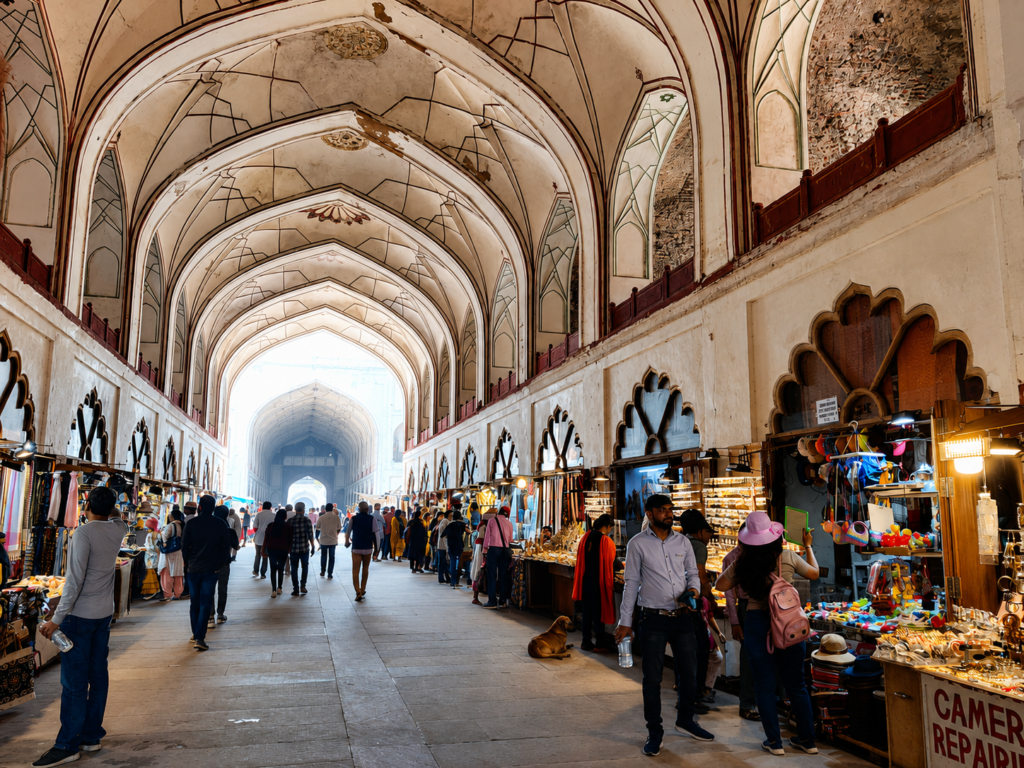
Chhata Chowk Bazaar at Chowk, Lucknow
Why These Markets Matter
The disappearance of Lucknow’s historic markets represents more than the loss of buildings. These bazaars were repositories of Modern development has undoubtedly brought new opportunities, but it has also erased many layers of urban history. As old markets vanish, so do the stories of merchants, artisans, performers, and ordinary residents who shaped Lucknow’s character.
Conclusion
The lost markets of Lucknow are reminders of a city that once thrived through a rich tapestry of specialized bazaars and cultural exchanges. From the refined world of the kothas to the wholesale energy of Yahiyaganj, from the cosmopolitan appeal of China Bazaar to the aristocratic aura of Khas Bazaar, each market contributed to the making of Lucknow’s unique identity.
Today, many of these markets have been demolished, transformed, or reduced to faint memories. Preserving their stories is essential, for a city’s heritage does not survive only in monuments—it survives in the markets, streets, and everyday spaces where generations lived, traded, celebrated, and dreamed.