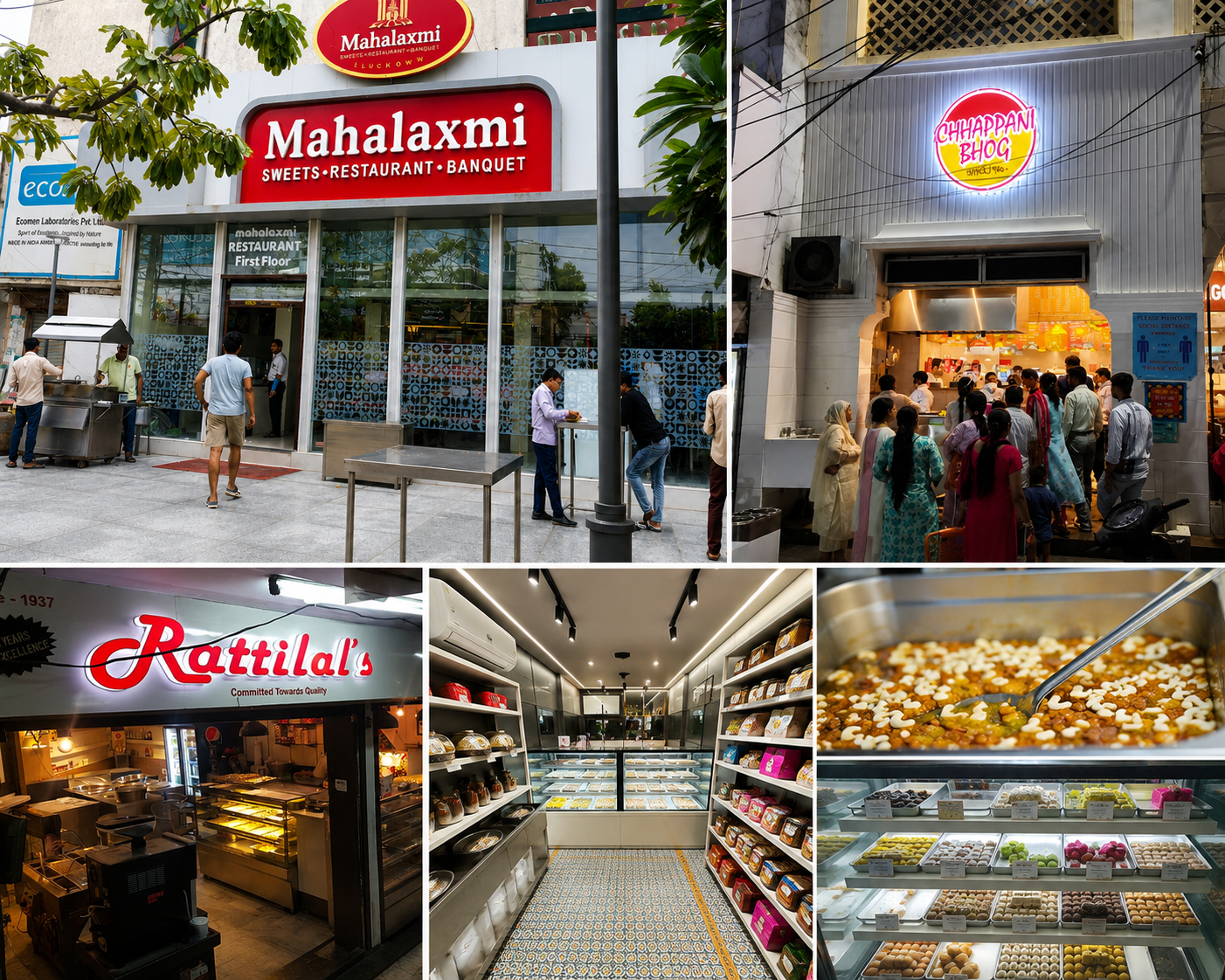





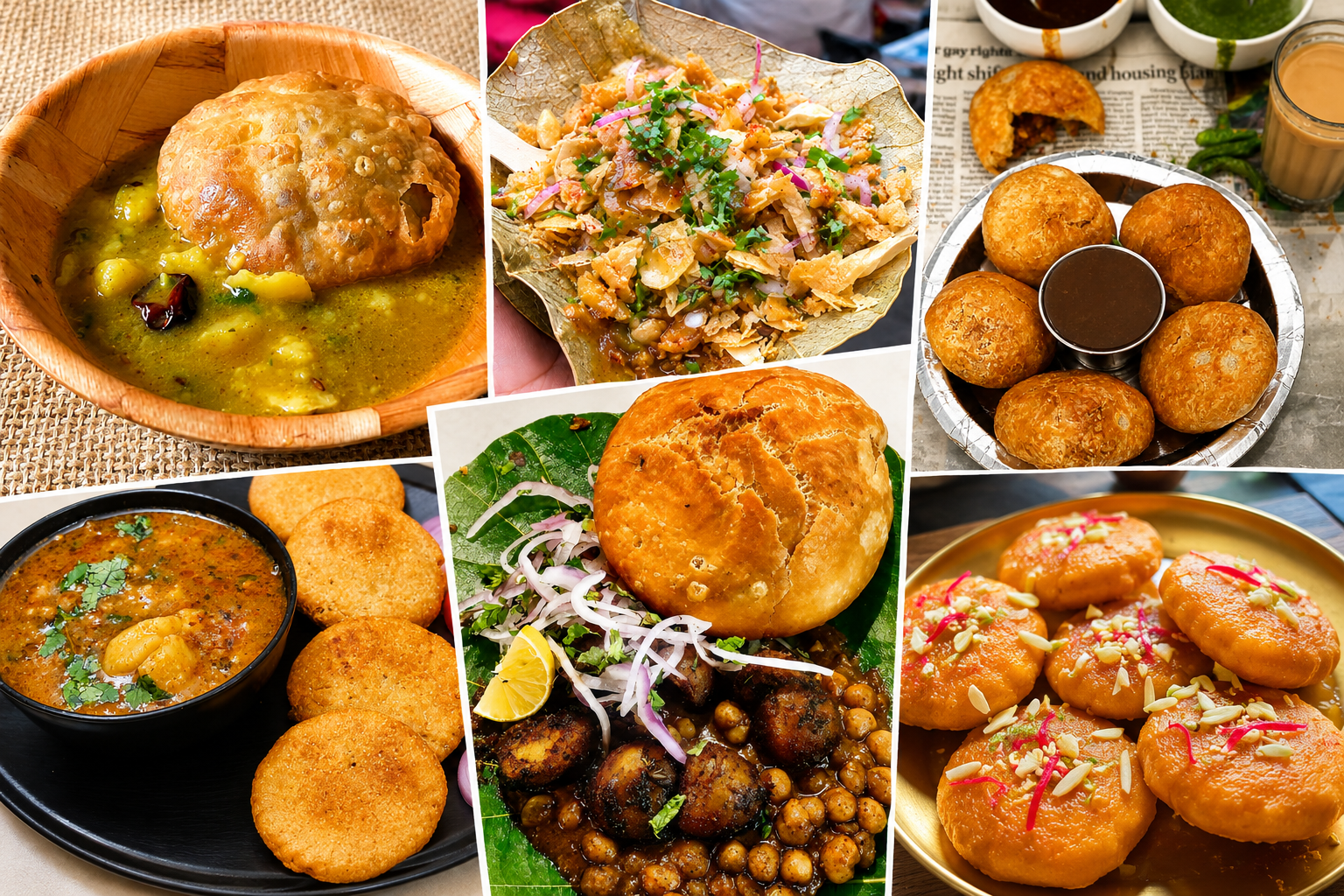
Lucknow Khasta is more than just breakfast it’s one of the city’s oldest culinary traditions. Ask anyone in Lucknow what makes a perfect morning, and chances are “khasta” will be mentioned before the tea arrives. Crisp, flaky, and generously stuffed, Lucknow khasta has been served from hand carts, wooden boxes, and family-run shops for generations. Some recipes even trace their origins to the Nawabi kitchens of Awadh, where slow cooking, rich ghee, and perfectly balanced spices transformed simple ingredients into timeless delicacies.
1. Bakse Wale Lucknow Khasta
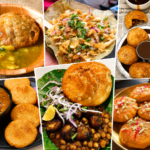
This is where the khasta legend of Lucknow truly began. Sold from a wooden box (baksa) carried by street vendors, this style dates back to the early twentieth century, when hawkers moved through the narrow lanes of the old city with their khastas kept warm inside these boxes. Made from refined flour stuffed with soaked and ground urad dal or mashed potatoes, it is served with a side of spicy potato sabzi and pairs beautifully with hot jalebis. Old Lucknow families still swear by the vendors who carry forward this box-style tradition. You can try: Guptaji ke baksewale khaste
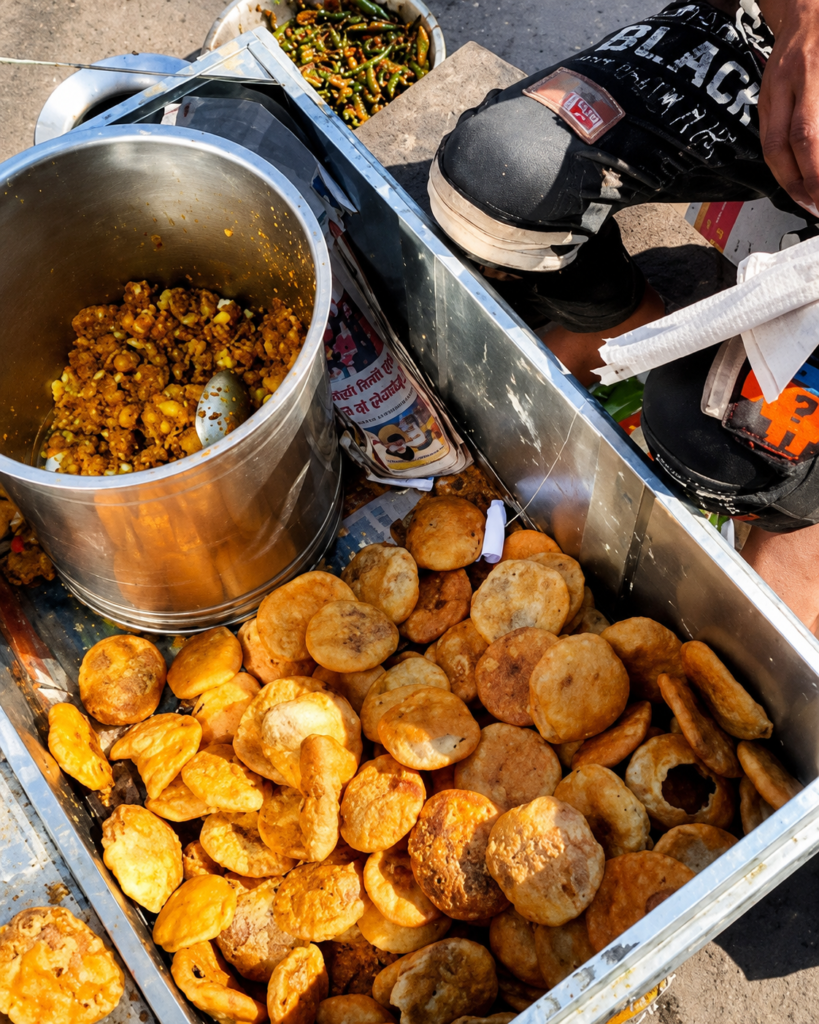
2. Matar Wale Khaste
A khasta topped or paired with a semi-dry preparation of spiced green or white peas (matar) is a breakfast staple across the city. The peas are cooked with ginger, garlic, and a mix of masalas until they turn slightly mashed and deeply flavourful, offering a lightly sweet-and-spicy contrast to the crisp shell of the khasta. This combination is especially popular during winters, when fresh green peas flood Lucknow’s markets. Across Lucknow, the serving style varies, some shops plate it alongside the khasta, while others mash and mix it into the flaky pastry, creating a richer and more flavourful bite.
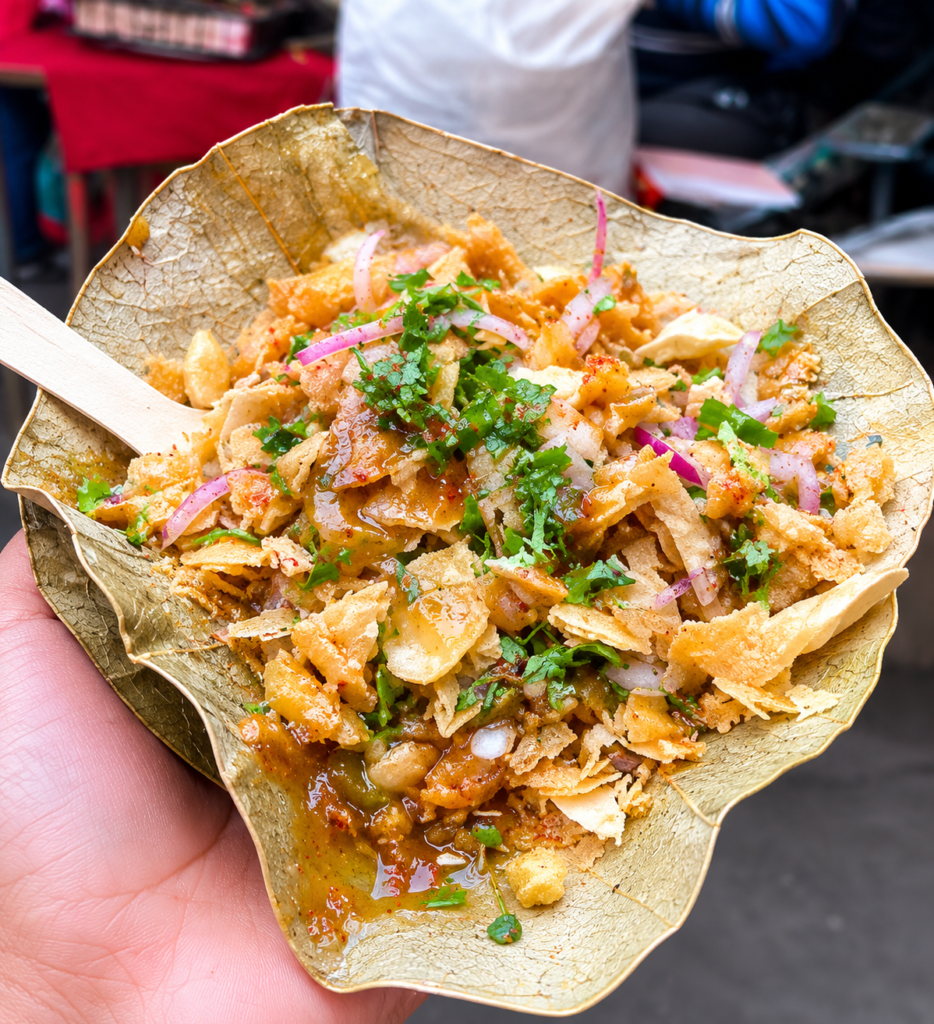
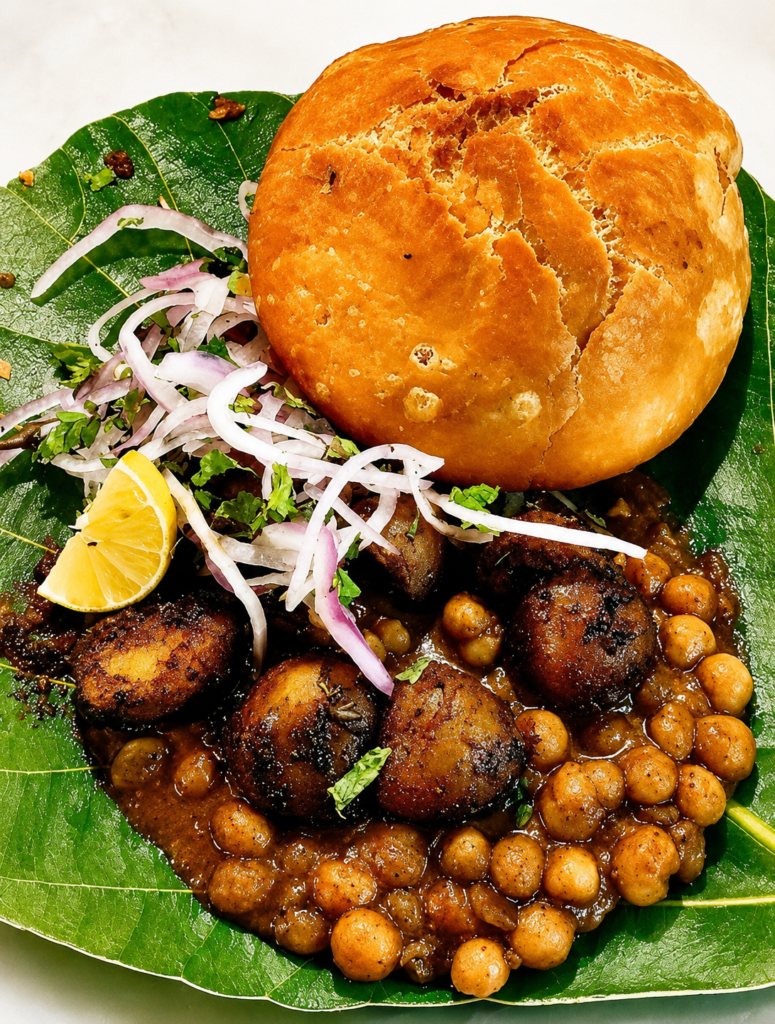
3. Sukhi Aloo Wale Khaste
For those who prefer a drier, more robust bite, khasta served with sookha (dry) spiced potatoes is the classic choice. The potatoes are lightly mashed and tempered with mustard seeds, curry leaves, turmeric, and dry masalas, giving the dish an earthy, homely flavour. This is one of the oldest and most widely available combinations, found at nearly every khasta stall in the city.
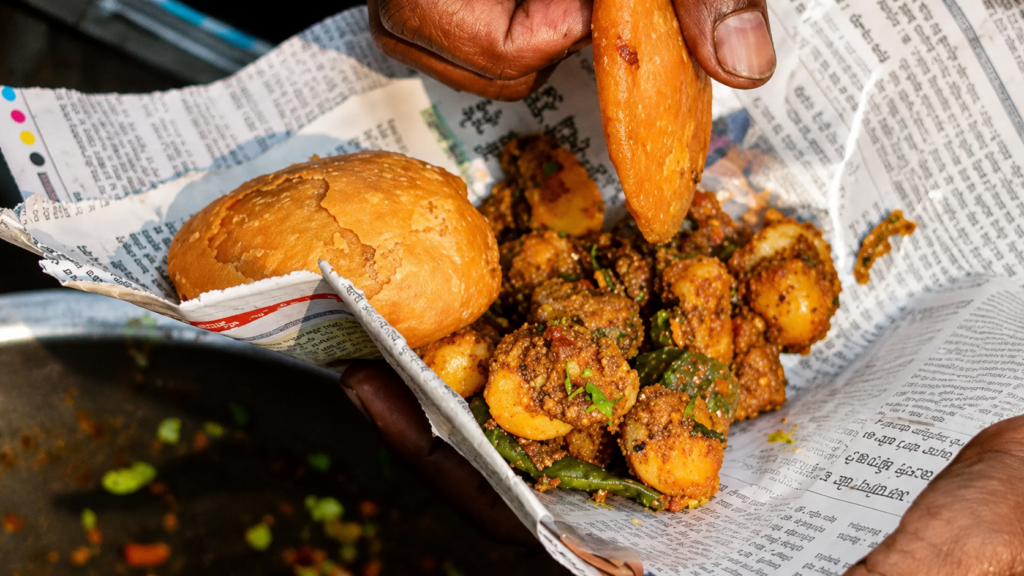
4. Gravy Wale Khaste
Here, the khasta is dunked in or served alongside a rich, semi-liquid curry — often aloo-tamatar rasedar (potato-tomato gravy) — that soaks into the crisp shell just enough to soften its edges while keeping the centre crunchy. This version is a favourite among those who like their breakfast a little more indulgent, and it is commonly served at some of the city’s oldest kachori shops.
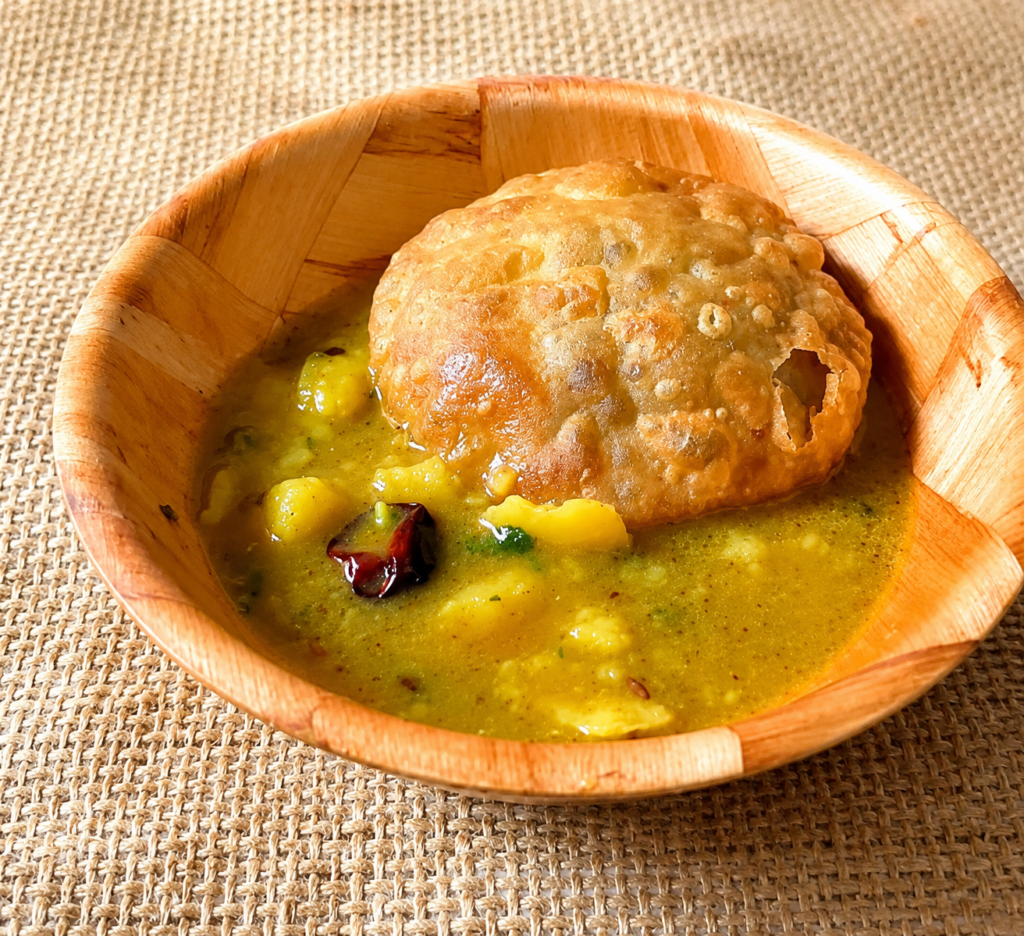
5. Dal Khasta (Urad Dal Stuffed Khasta)
Considered closer to the original Nawabi-style recipe, this version uses a filling of soaked, ground, and spiced urad dal instead of potatoes. The lentil stuffing gives the khasta a denser, more textured bite and a subtly nutty flavour. This style is believed to be one of the earliest forms of khasta made in Awadhi kitchens, later adapted into the potato-stuffed versions that are more common today.
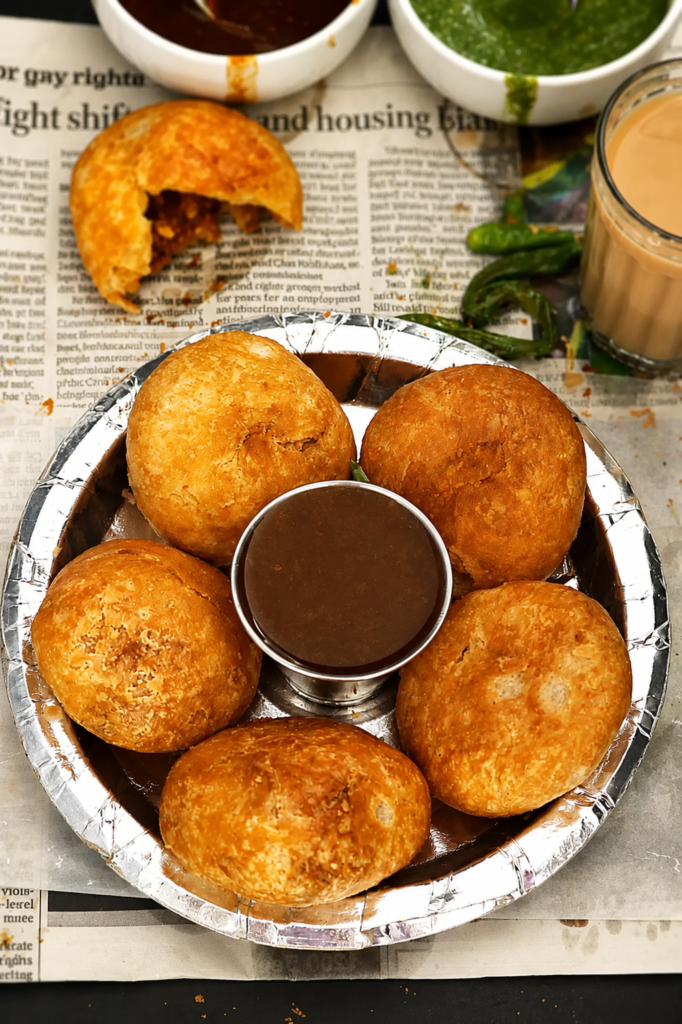
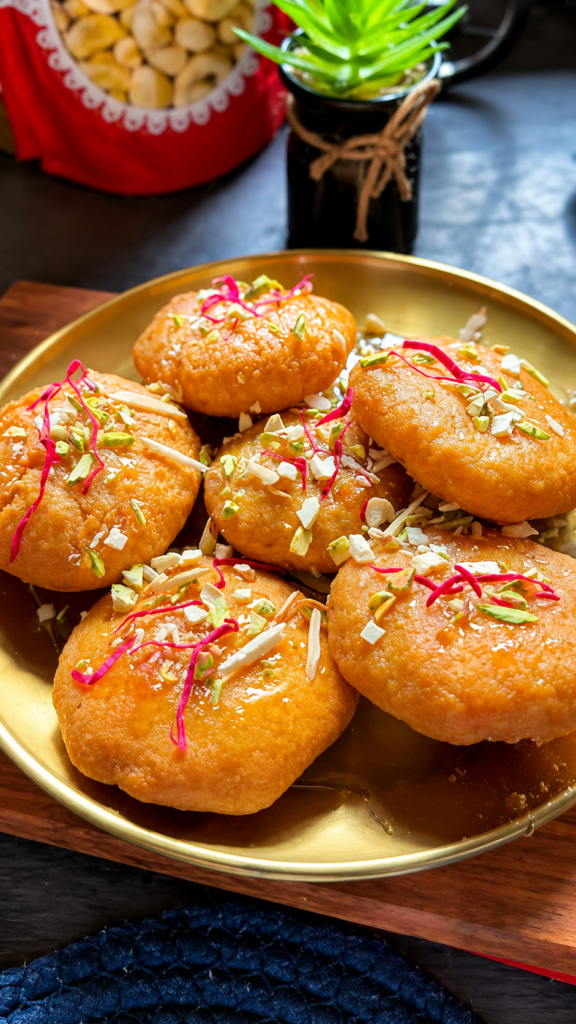
8. Meetha Khasta (Sweet Khasta)
Not all khastas are savoury. Some old-city shops still prepare a sweet version, stuffed with khoya (reduced milk solids), mawa, and sugar or jaggery, finished with a light sprinkle of cardamom or dry fruits. This sweet khasta is said to have been a favourite at Nawabi feasts, served alongside savoury kachoris as part of an elaborate Awadhi breakfast spread, and it remains a nostalgic treat for those looking for something beyond the usual potato or lentil filling.
9. Radhelal’s Lucknow Khasta with Allahabadi Dum Aloo
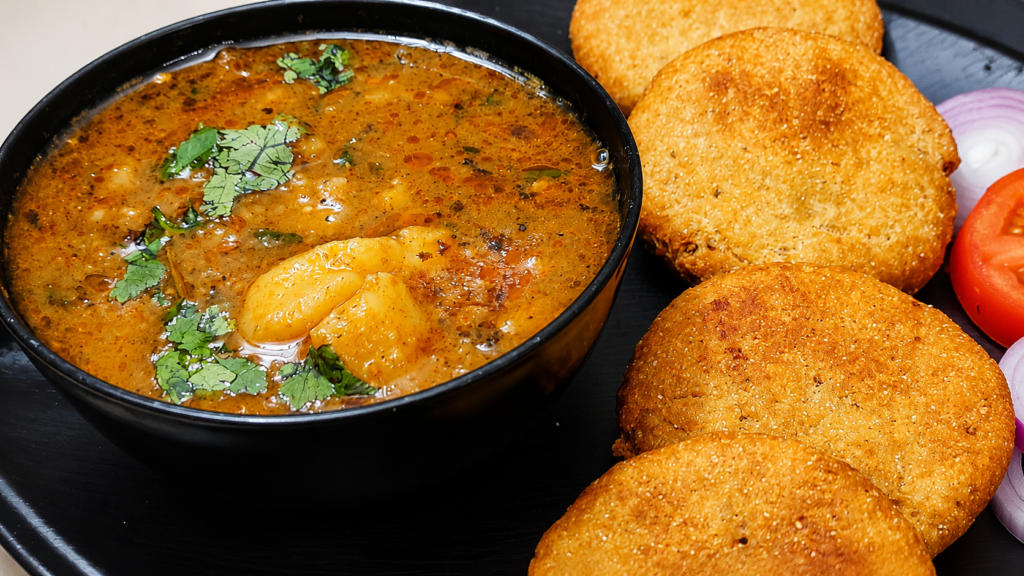
One of the more distinctive combinations in the city comes from Radhelal, a long-standing name among Lucknow’s khasta shops, known for pairing its khasta with Allahabadi-style dum aloo instead of the more common Awadhi potato preparations. Here, baby potatoes are slow-cooked in a tangy, mildly spiced gravy in the Allahabadi tradition, finished with a fresh pudina (mint) chutney on the side that cuts through the richness of the dish. The combination of the crisp khasta, the tangy dum aloo, and the sharp, cooling mint makes this a stand-out version that draws in regulars looking for something a little different from the usual matar or sukhi aloo pairings. Shop: Radhey Lal Sweets Aliganj
The Nawabi Connection
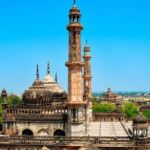
Lucknow’s khasta tradition is closely tied to the culinary refinement of the Nawabs of Awadh, who placed great emphasis on slow cooking, balanced spicing, and using ghee generously in everyday food habits that trickled down from royal kitchens into the city’s street food culture over time. Many of the oldest khasta shops in Lucknow, some running for well over a century and now in their third or fourth generation of family ownership, describe their recipes as unchanged since the days when the city’s identity was still being shaped by Nawabi patronage of food and culture.
Conclusion
Whether it’s the humble sukhi aloo wale khaste from a roadside stall or the indulgent meetha khasta passed down through generations of a single family, each variety tells its own small story about Lucknow’s relationship with food. The next time you’re in the city, skip the hotel breakfast and head to one of the old-city corners instead; a plate of hot, crisp khasta, paired with the filling of your choice, is as close as you can get to tasting a slice of Nawabi Lucknow itself.