


“Muskuraiye, Aap Lucknow Mein Hain.”
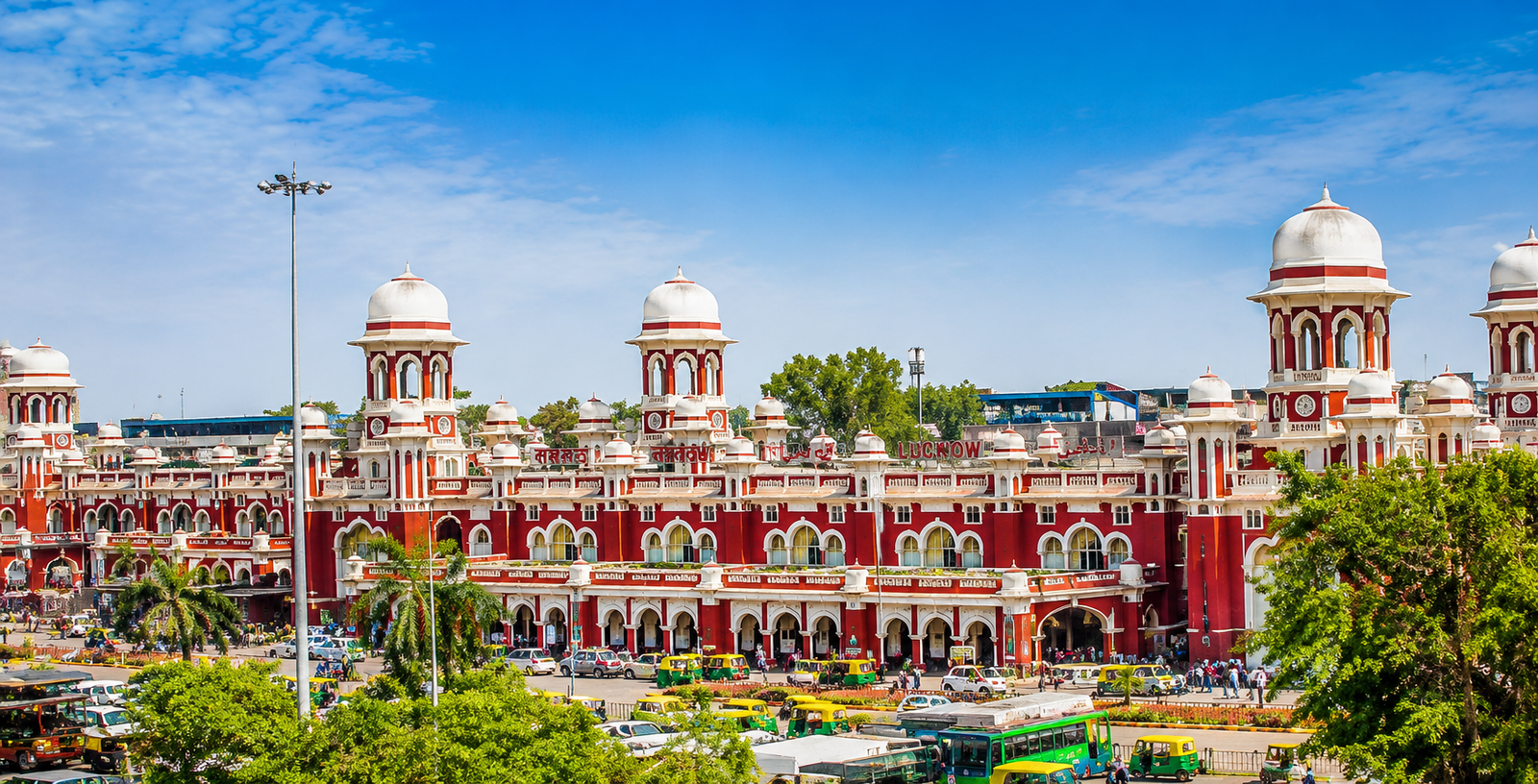
The moment you hear these words or see them displayed across the city, you instantly know that you have arrived in Lucknow, the heart of Awadh.
“Muskuraiye, Aap Lucknow Mein Hain” is more than a tagline. It is an invitation to experience a city known for its warmth, grace, and hospitality.
Lucknow: A City That Refuses to Choose Between the Past and the Future
Few Indian cities have managed to preserve their cultural soul while embracing modernity as gracefully as Lucknow. Known as the City of Nawabs, Lucknow is a place where centuries-old monuments stand beside modern skyscrapers where traditional Awadhi recipes coexist with global cuisines, and where heritage walks and poetry gatherings share space with startup events, music festivals, and contemporary cafés.
What makes Lucknow unique is that it has never viewed development as a replacement for tradition. Instead, the city has allowed both to grow together, creating an identity that is deeply rooted in history while confidently looking toward the future.
The Stories That Built the City
Lucknow’s heritage is not confined to monuments; it lives through stories that continue to be told across generations.
The tale of Nawab Asaf-ud-Daula, who commissioned the Bara Imambara during the famine of 1784 to provide employment to thousands, remains one of the city’s most cherished narratives. Even today, the famous saying, “Jisko Na De Maula, Usko De Asaf-ud-Daula,” reflects his generosity.
The bravery of Begum Hazrat Mahal, who played a pivotal role during the Revolt of 1857, continues to inspire Lucknowites. Her legacy survives through public memorials, historical discussions, and local folklore.
The ruins of the Residency still narrate stories of the Siege of Lucknow during India’s First War of Independence while the legendary culture of “Pehle Aap” continues to symbolize the city’s famous etiquette, humility, and respect.
These stories are not merely historical anecdotes. They form the cultural memory of the city and continue to shape its identity.
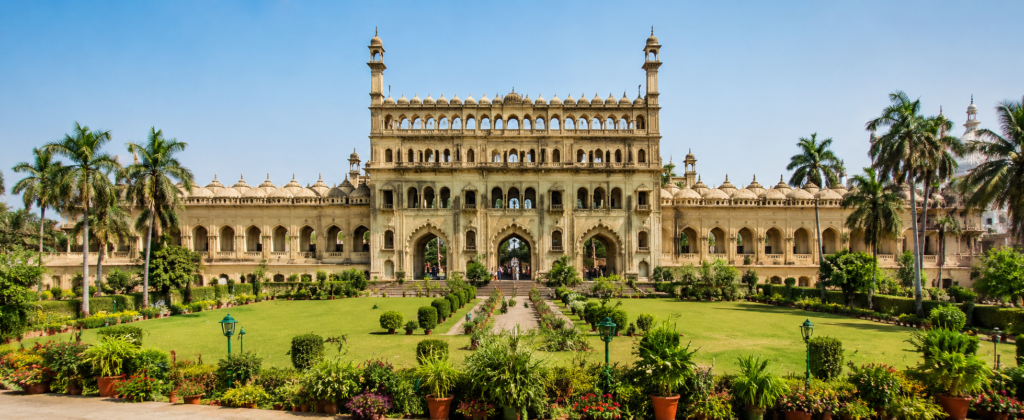
Monuments That Define Lucknow
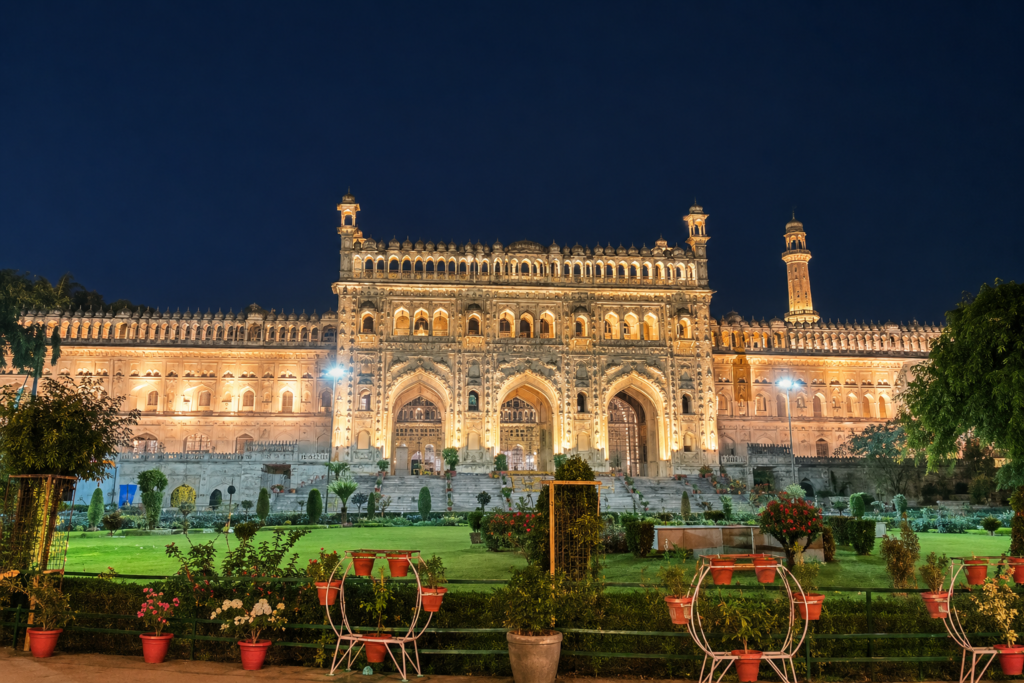
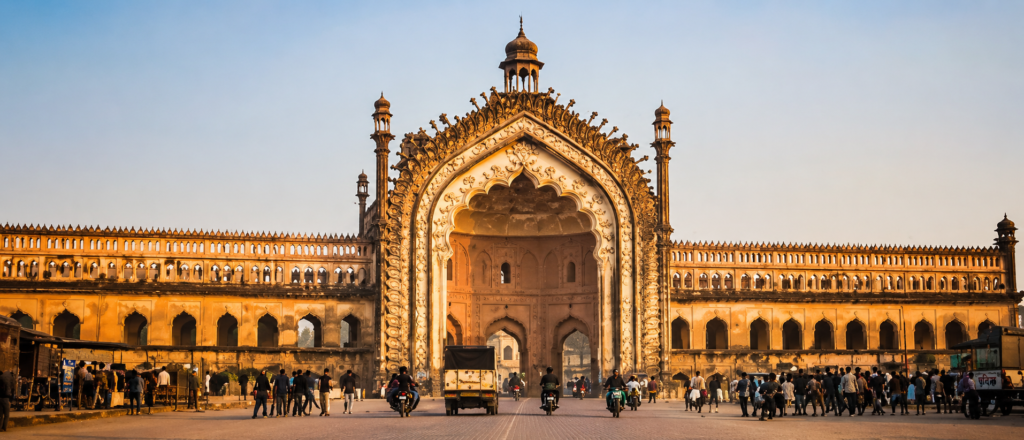
The architectural heritage of Lucknow remains among its greatest strengths. Landmarks such as the Bara Imambara, Chota Imambara, Rumi Darwaza, Kaiserbagh Palace Complex, Clock Tower, and the Residency serve as reminders of the city’s glorious past.
Unlike many cities where heritage sites remain isolated tourist attractions, Lucknow’s monuments continue to be active parts of public life. They serve as venues for cultural programs, photography tours, educational visits, and heritage exploration activities
Preserving Heritage Through Modern Experiences
One of the most remarkable aspects of modern Lucknow is the way it has reinvented heritage preservation.
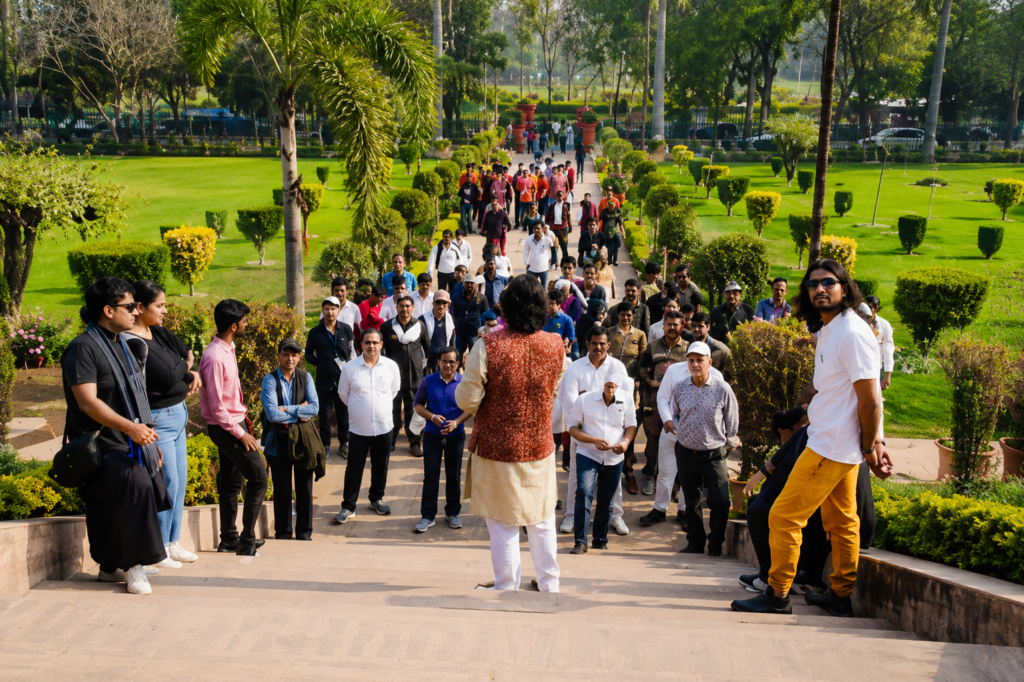
Weekend heritage walks have become increasingly popular among residents and tourists alike. These curated experiences take participants through the lanes of Old Lucknow, introducing them to hidden monuments, forgotten stories, architectural marvels, and local legends.
Rather than presenting history as a collection of dates and facts, these walks use storytelling, photography, and interactive experiences to make heritage accessible to younger generations.
Social media creators, historians, photographers, and cultural organizations are also documenting the city’s lesser-known stories, ensuring that heritage remains relevant in the digital age.
Festivals Keeping Awadhi Culture Alive
Lucknow’s cultural calendar has become one of the strongest bridges between heritage and modernity.
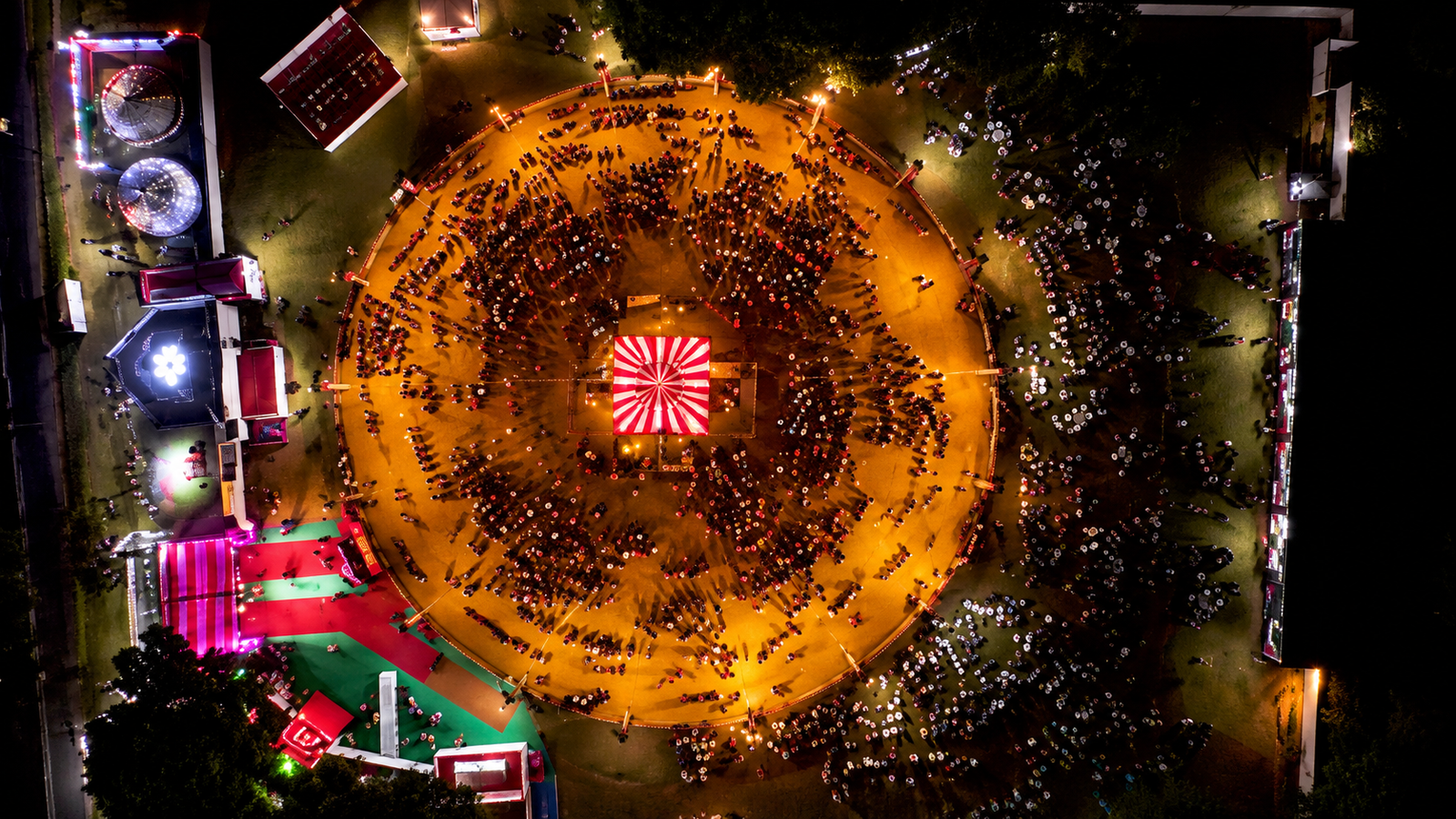
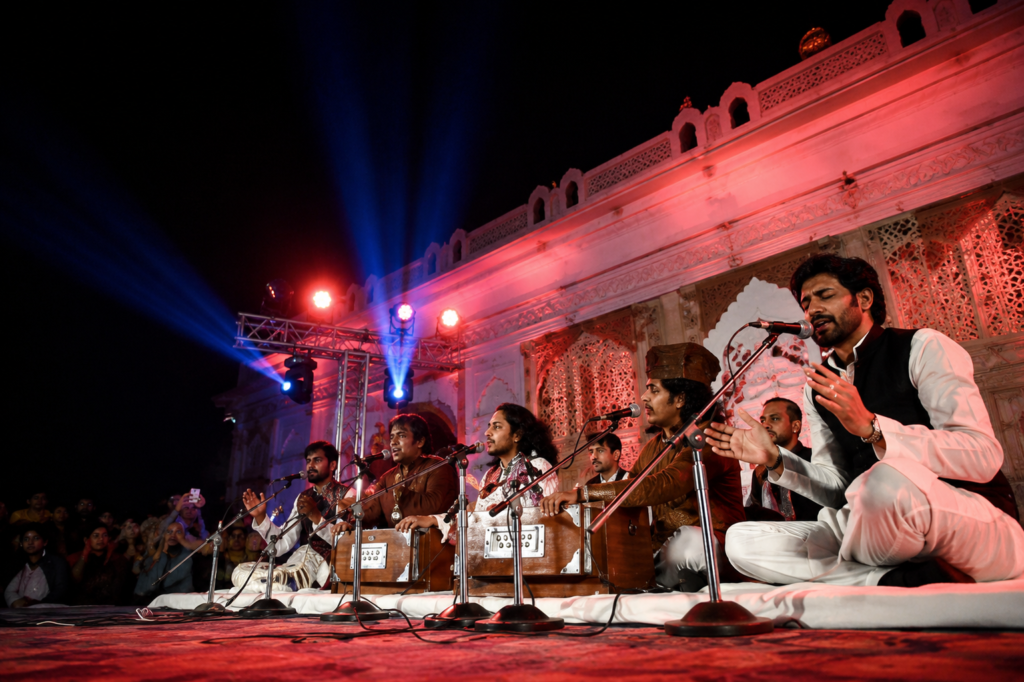
Among the city’s most significant cultural initiatives is the Sanatkada Festival, which celebrates the art, culture, crafts, music, food, and traditions of Awadh. The festival provides a platform for artisans, performers, designers, writers, and historians to showcase the richness of Lucknow’s cultural legacy. Visit: https://mslf.in/ to know more about the festival.
Talking about the platforms which are now becoming prevalent in Lucknow, Kavita Kisse Kahaniyan which is one of the most loved spoken word platform stands out for blending the city’s literary heritage with contemporary storytelling. Through poetry, storytelling, open mics, workshops, live shows and cultural festivals, the platform introduces Lucknow’s culture, language, and stories to modern audiences while nurturing a thriving creative community.
Similarly, literary festivals, art fairs, craft exhibitions, theatre festivals, storytelling events, and flea markets continue to preserve local traditions while introducing them to contemporary audiences.
These festivals demonstrate that culture survives not by remaining static but by continuously engaging with new generations
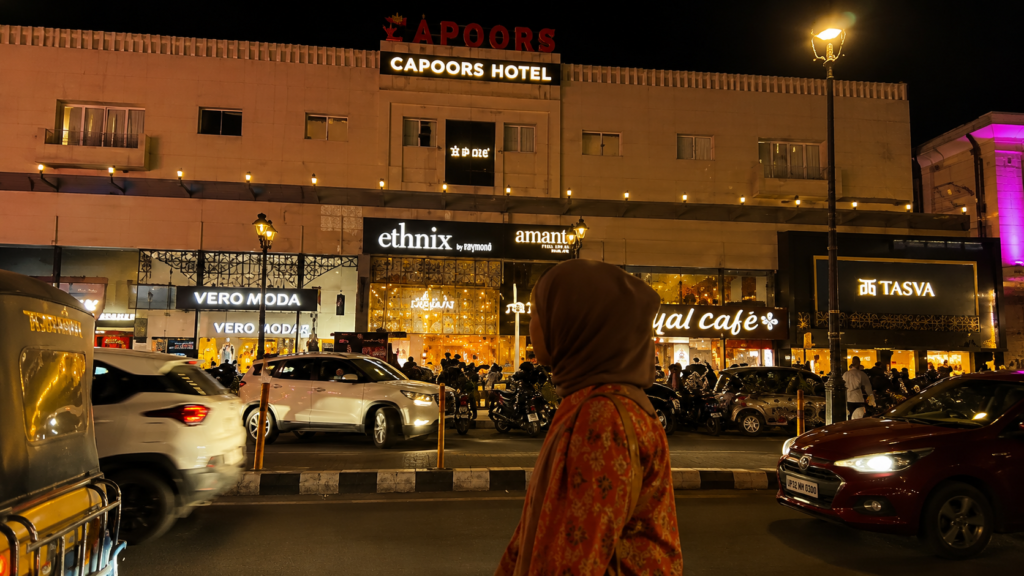
Ganjing: An Emotion, Not Just an Activity
No discussion about Lucknow is complete without mentioning Ganjing.
A leisurely walk through Hazratganj has been a cherished tradition for generations. Once known primarily for its colonial architecture and social gatherings, Hazratganj has evolved into a vibrant urban destination featuring cafés, bookstores, restaurants, boutiques, and cultural spaces.
Yet the essence of Ganjing remains unchanged. It is still about meeting people, exchanging ideas, and enjoying the unique atmosphere of the city.
The Rise of Cafés, Open Mics, and Creative Communities
Over the past decade, Lucknow has witnessed a cultural renaissance driven by its youth.
Independent cafés have emerged as community spaces where people work, read, perform, create content, and connect with like-minded individuals.
Open mics, spoken word events, storytelling platforms, theatre groups, music communities, and artistic collaborations have become integral to the city’s social life. Poetry, once confined to traditional mushairas, is now finding expression through contemporary spoken word performances and storytelling gatherings. Platforms like Kavita Kisse Kahaniyan have played a key role in popularizing open mic culture in Lucknow, creating spaces where poets, storytellers, musicians, and performers can showcase their talent while keeping the city’s artistic traditions alive in a modern format. Instagram Link: https://www.instagram.com/kavitakissekahaniyan/
This creative ecosystem has given a new voice to the city’s younger generation while remaining deeply connected to Lucknow’s literary heritage.
A Modern City with Traditional Values
Alongside its cultural transformation, Lucknow is rapidly developing modern infrastructure through metro connectivity, smart city initiatives, expanding residential hubs, improved road networks, business districts, and growing entrepreneurial ecosystems.
Areas such as Gomti Nagar and Shaheed Path represent the city’s modern ambitions, while Chowk, Aminabad, and Hazratganj continue to preserve its historic character.
This coexistence of old and new is what makes Lucknow special.
The Future of Lucknow
Lucknow’s greatest achievement lies in proving that modernization does not require abandoning heritage.
The city has preserved its stories through heritage walks, its traditions through festivals, its craftsmanship through innovation, its cuisine through generations of recipes, and its culture through community-driven experiences.
Today, it is entirely possible to begin the day exploring a centuries old monument, enjoy an Awadhi meal in the afternoon, spend the evening Ganjing in Hazratganj, and end the night at a poetry open mic or live music performance.
That is the essence of modern Lucknow, a city where history is not left behind but carried forward into the future.
In an age where many cities struggle to preserve their identity amid rapid development, Lucknow offers a different model: a city that proves progress and heritage are not rivals, but companions.
And perhaps that is why, even today, people proudly say:
“Muskuraiye, Aap Lucknow Mein Hain.”