







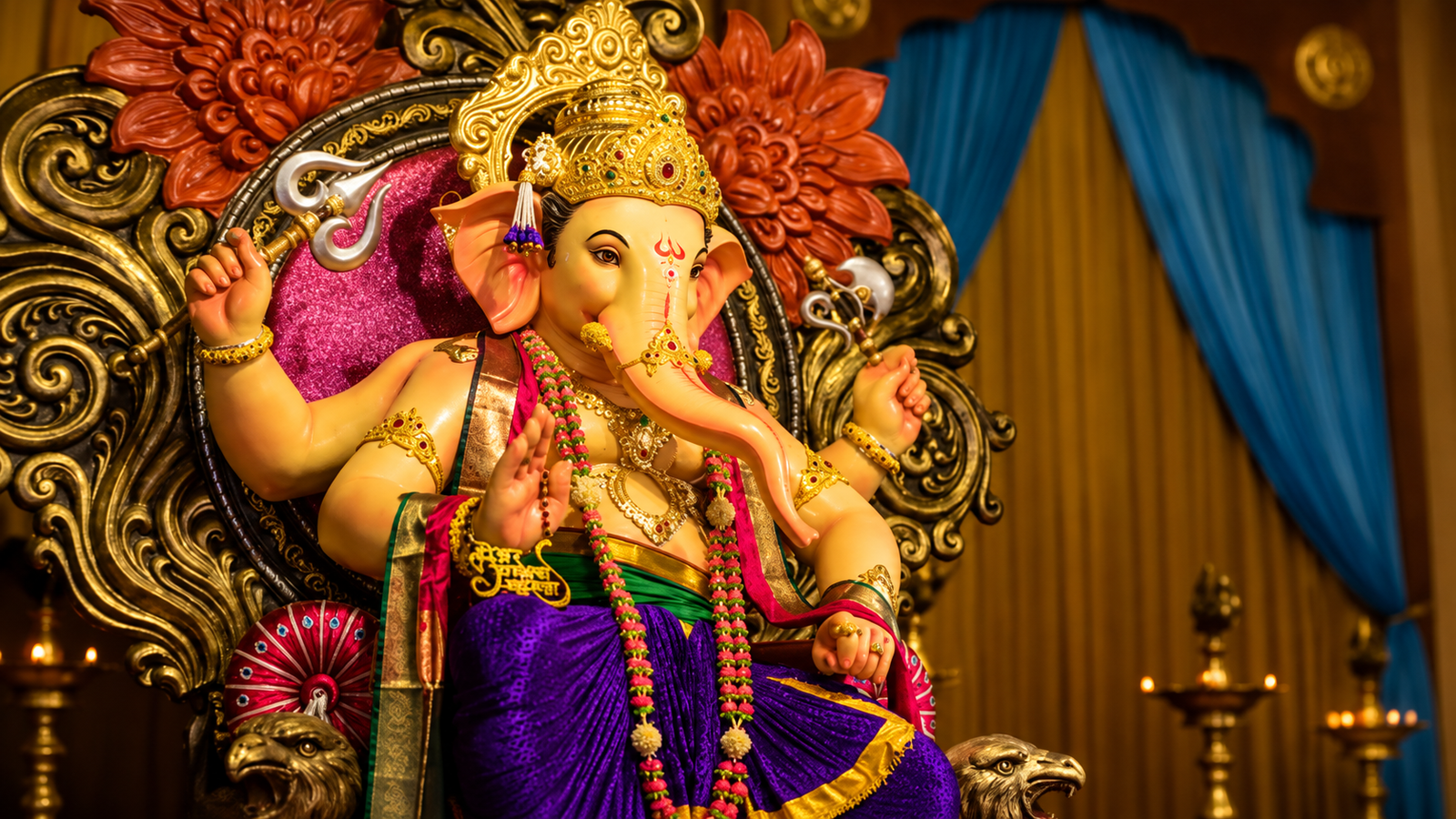
Ganpati Pandals in Lucknow have turned the City of Nawabs into a full-on festive zone every year during Ganesh Chaturthi. What started as a small migrant tradition has become a citywide celebration where Awadhi tehzeeb meets Maharashtrian bhakti. From dhol beats to modak, letters to Bappa and grand themes, these pandals bring the whole shehar together. Let’s dive into the custom, how it all began and the most famous spots that Lucknowites swear by.
How Ganpati Pandals in Lucknow Started in the Shehar of Nawab
Back in 1921, a handful of Maharashtrian families the Natus, Vaishampayans, Tambes, and Joshis settled in Aminabad and decided to bring their beloved Ganesh Utsav to Lucknow. Inspired by Lokmanya Tilak’s call for public celebrations that unite people, they organised the first modest gathering. Fewer than 50 people attended that first year. Fast forward a century, and the Lucknow Municipal Corporation registers over 100 pandals every season.
What began as a small community affair has blended perfectly with Nawabi culture. Today, you’ll hear “Ganpati Bappa Morya” echoing through Chowk, Gomti banks and new colonies alike. The festival runs for 5, 7 or full 10 days, ending with visarjan, and every locality has its own “Raja”.
Famous Ganpati Pandals in Lucknow You Must Visit
Aminabad Ganesh Pandal (Aminabad Ke Raja)
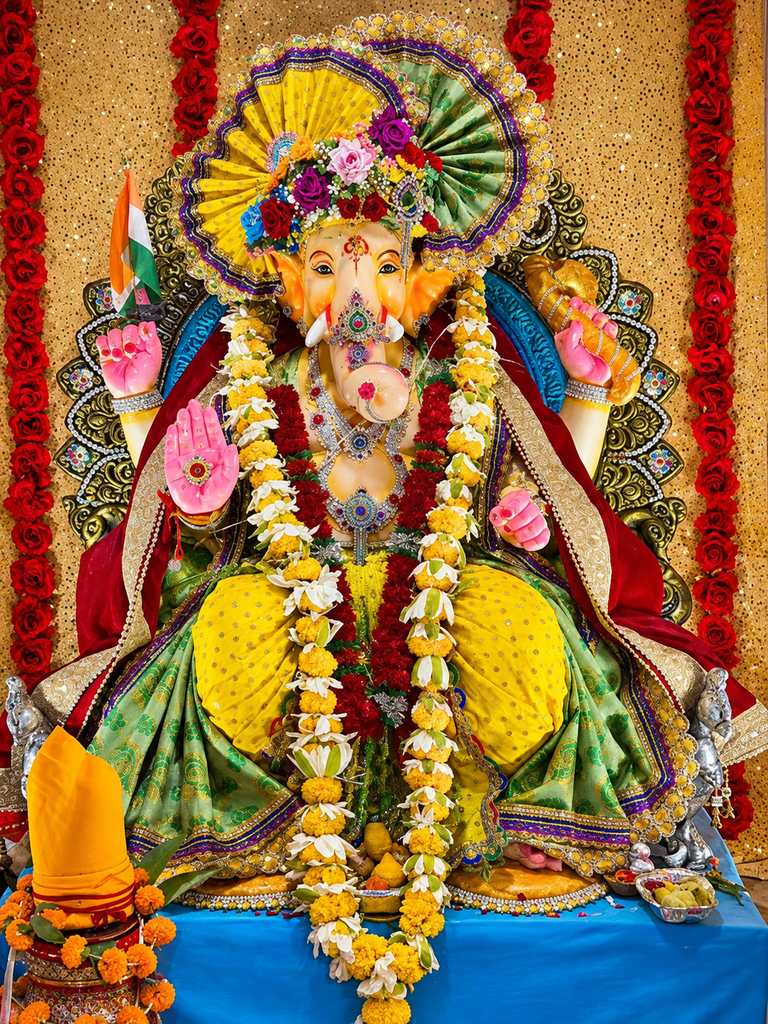
This is the OG. Organised by the Maharashtrian Samaj since 1921, Aminabad Ke Raja still carries that pure traditional vibe. Expect classic aarti, Marathi cultural programmes, and those irresistible puran poli, shrikhand and bhakarwadi stalls. It’s the place where the whole story of Ganpati Pandals in Lucknow truly began.
Manautiyon Ke Raja (Jhulelal Vatika)
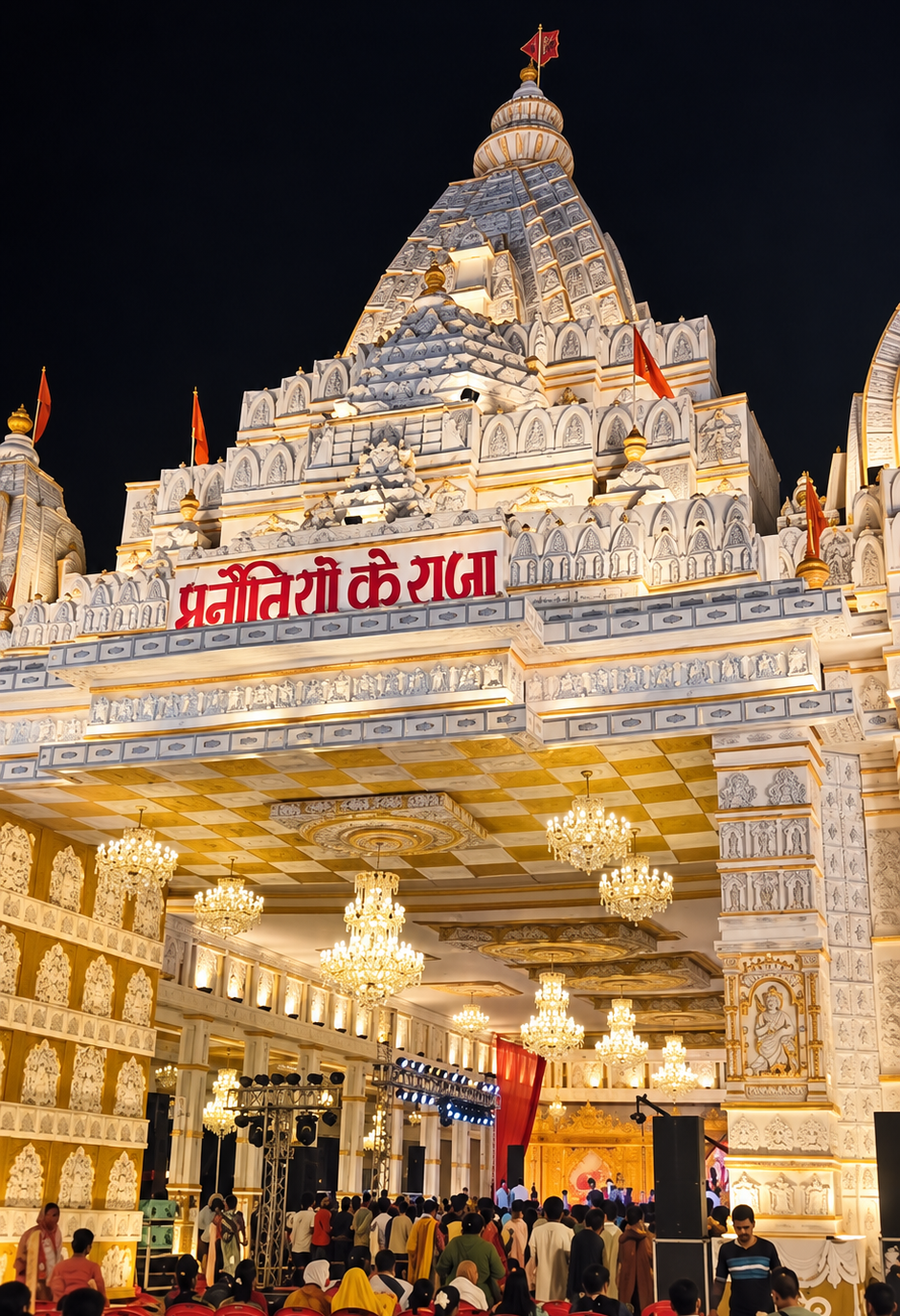
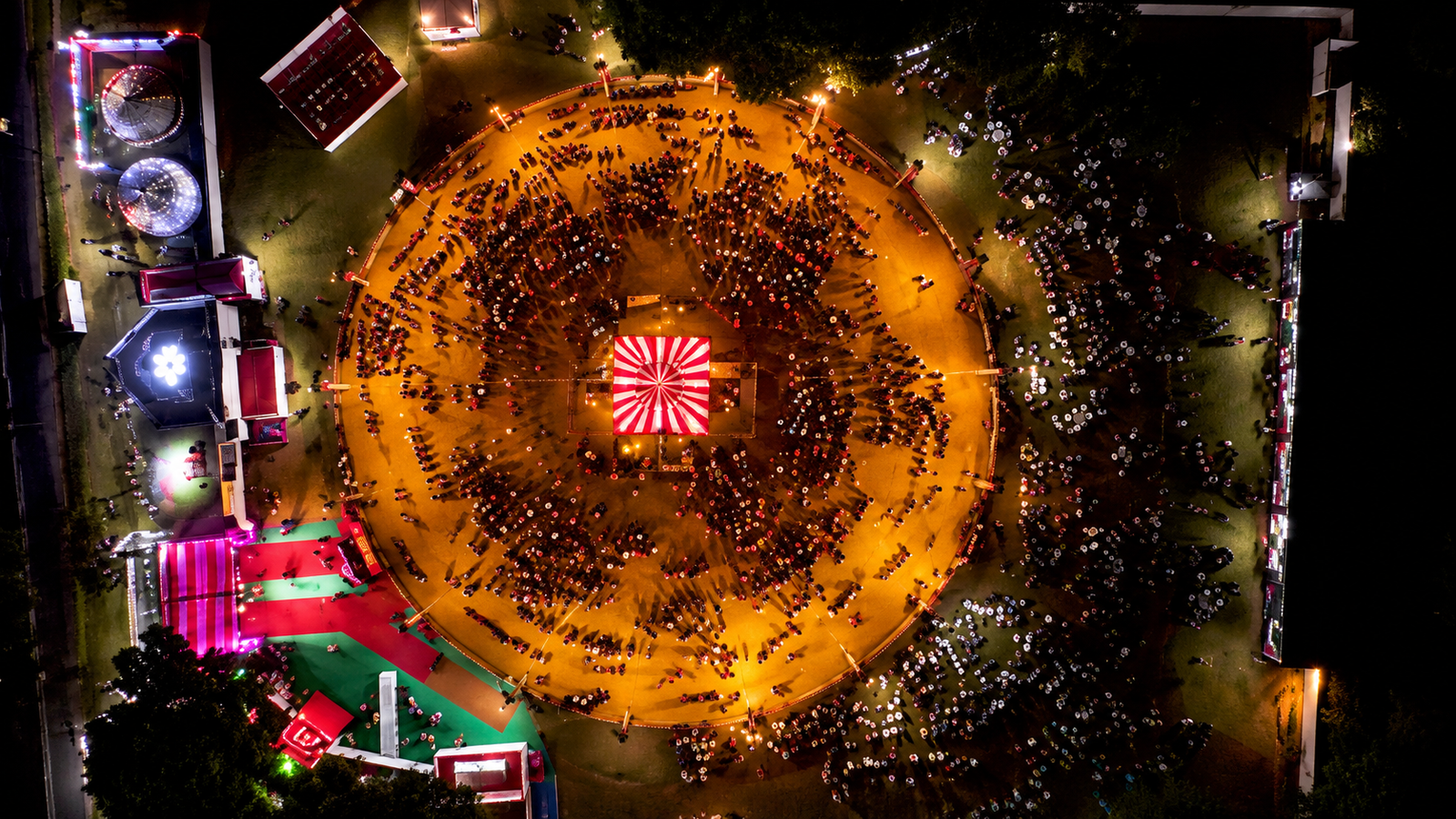
If there’s one pandal that defines modern Ganpati Pandals in Lucknow, it’s this one. Located on the banks of the Gomti near Hanuman Setu, Manautiyon Ke Raja is famous for its grand theme-based structures (Padmavati Palace, Swaminarayan Temple, Akshardham-style, you name it) and the unique letter tradition. Devotees write their mannat (wishes) on paper after chanting “Om Gan Ganpataye Namah” 108 times. Thousands of letters are collected and buried with the idol during visarjan. Full-on mela vibes, cultural shows, food stalls and massive crowds make it the biggest draw.
Paper Mill Ke Raja (Paper Mill Colony, Nishatganj)
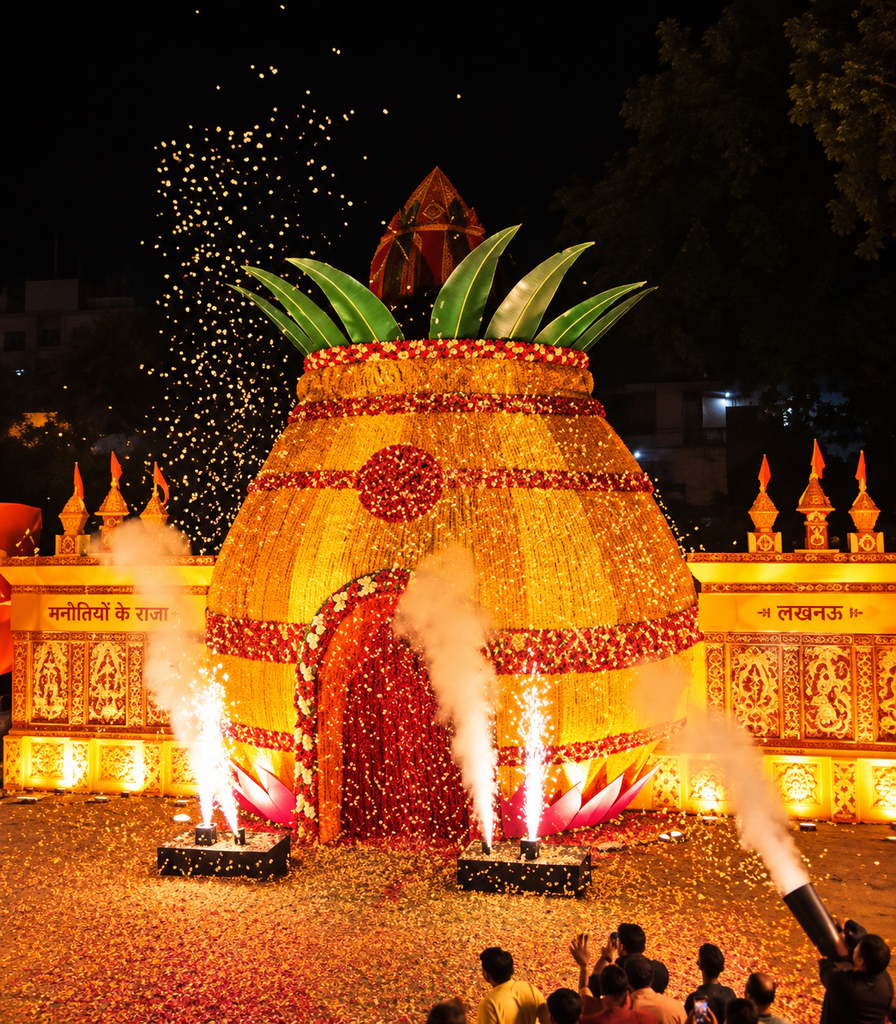
Once known simply as Paper Mill Ke Bappa, this pandal has grown into one of the city’s most spectacular ones. Theme-based designs, towering structures (sometimes 50 feet high), and idols crafted by Kolkata artisans create a fair-like atmosphere. From Kedarnath to golden kalash themes, they keep innovating. Evening crowds are crazy here, yaar.
Patrakarpuram Ganesh Utsav
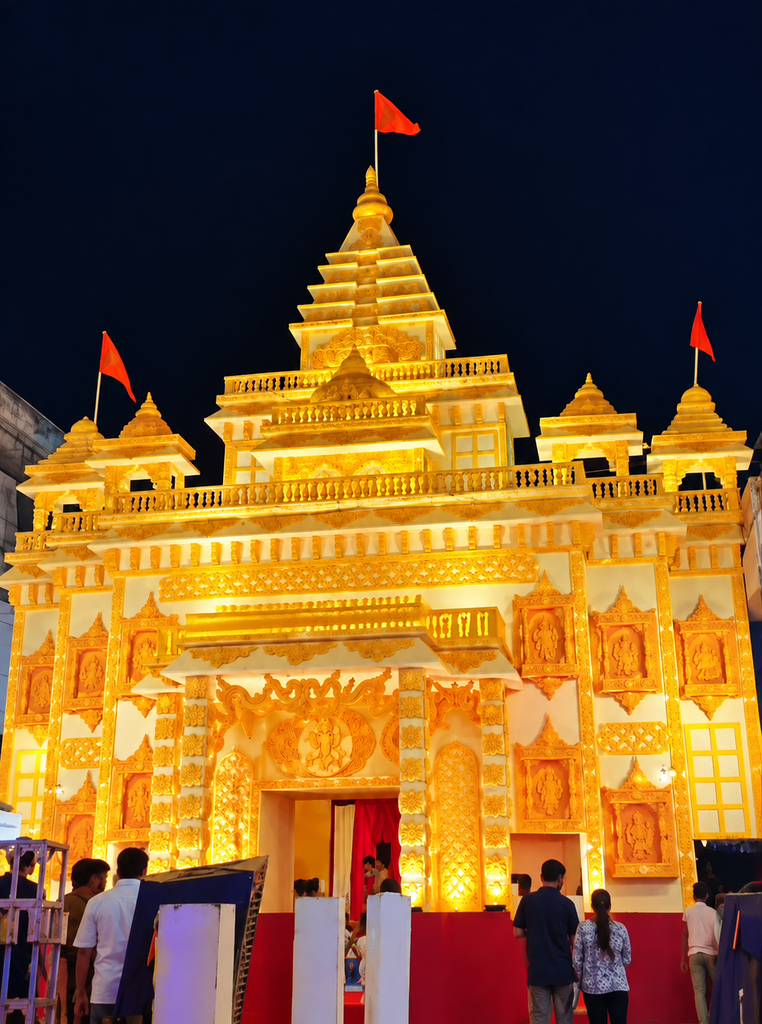
Started by a small group in 2011 in Gomti Nagar’s Patrakarpuram market area, this one has grown massively. Cultural programmes, artistic themes (like Prem Mandir of Vrindavan in recent years), and strong community participation make it a must-visit for the newer parts of the city.
The Custom and Tradition Behind Ganpati Pandals in Lucknow
The core remains the same: eco-friendly or clay idols, morning and evening aarti, bhog distribution, and cultural programmes. What makes Lucknow special is the mix — Marathi modaks and Awadhi hospitality side by side. Many pandals now focus on environmental messages, offline shopping promotion, or social themes. Writing letters to Bappa at Manautiyon Ke Raja has become a unique local custom that thousands follow religiously.
From a quiet Maharashtrian gathering in 1921 to over a hundred colourful pandals lighting up the City of Nawabs, Ganpati Pandals in Lucknow prove that faith and culture travel beautifully. Whether you’re a long-time Lucknowite or a first-timer, hopping between these Raja pandals is pure joy.
Ganpati Bappa Morya! Next time the dhol starts, you know where to head.